

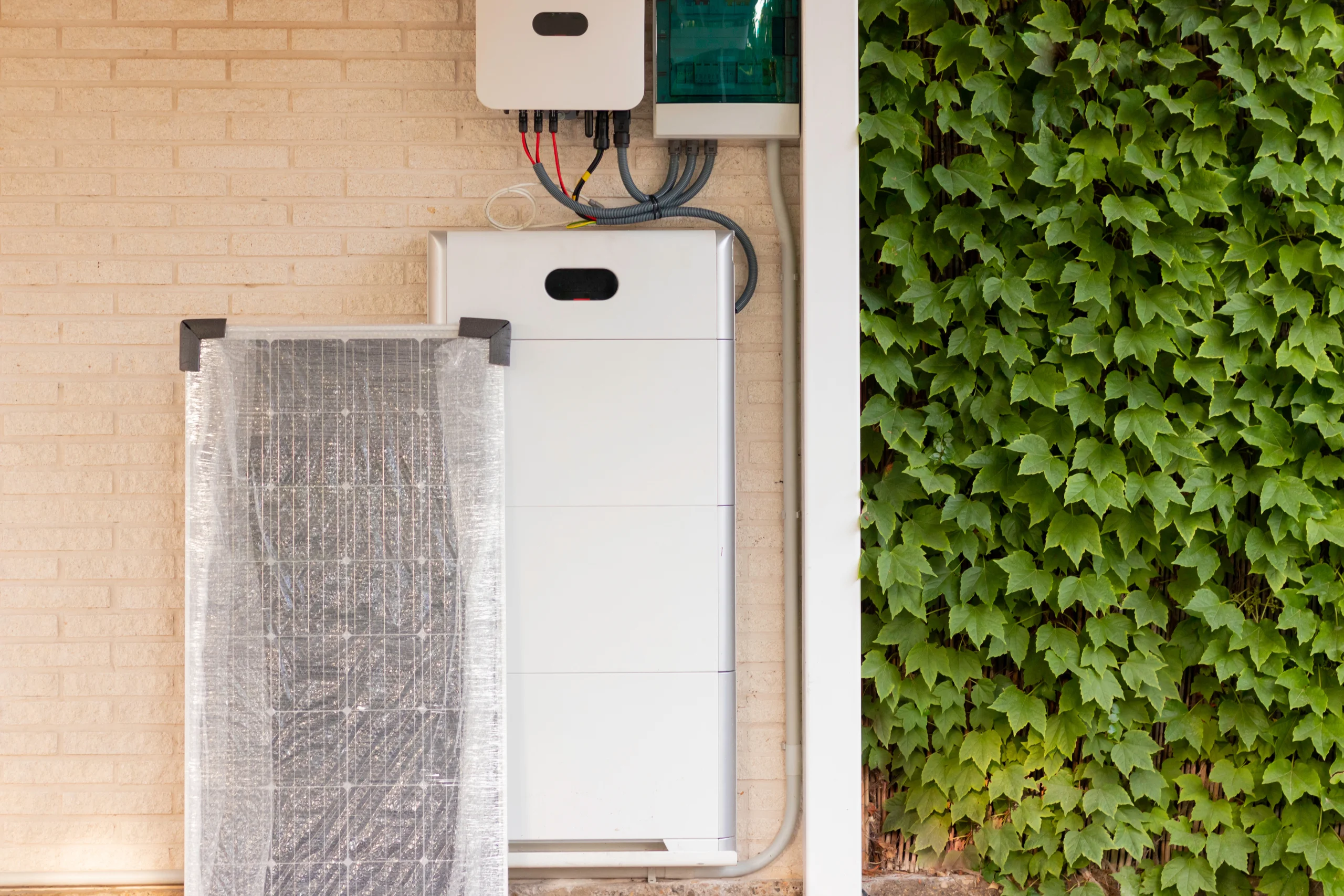
With more people working from home, maintaining a stable power supply for home offices has become crucial. A reliable battery backup system is essential for homeowners who depend on electronic devices and smart appliances, especially those running a home office. Power outages, whether from storms, grid failures, or unexpected surges, can disrupt work, cause data loss, and affect everything from lighting to home security systems and medical equipment. Choosing the right battery backup for your home office ensures that critical devices remain operational during power interruptions, allowing you to stay productive and protected.
In this guide, we’ll explore the different types of battery backup systems, their features, and what to consider when choosing the best option for your home office and household needs. We’ll also cover the benefits of battery backups, from increased resilience and safety to the ability to continue work without interruptions, even during a power outage.
Table of Contents
Why You Need a Battery Backup for Your Home Office
Before diving into the best battery backup options, it’s important to understand why investing in one for your home office is a smart choice. Today’s connected home often includes numerous devices essential for work, security, and comfort, from computers and modems to smart thermostats and security cameras. Power outages, even short-term ones, can lead to:
- Data loss for computers or network storage devices
- Disruption to work-from-home setups, especially with essential equipment offline
- Potential risk to medical equipment like oxygen machines or CPAP devices
- Damage to sensitive electronics due to power surges when power is restored
- Unreliable home security, leaving homes vulnerable during outages
A battery backup for the home and home office offers a vital layer of protection, ensuring that key systems in your home office and home continue running smoothly, safeguarding your productivity and peace of mind during power interruptions.
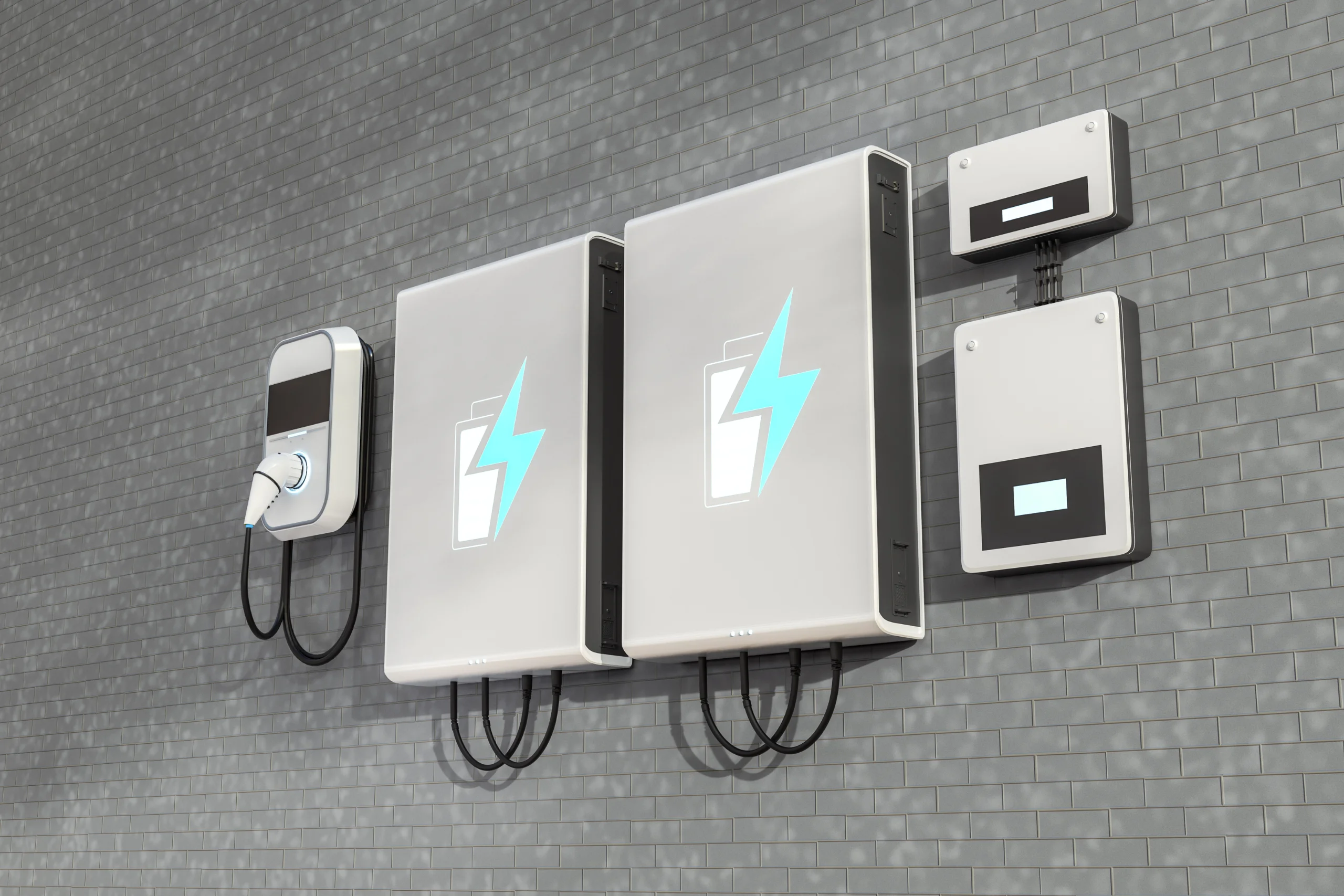
Types of Battery Backup Systems for Home
1. Uninterruptible Power Supply (UPS) Systems
UPS systems are a popular choice for protecting electronics from power surges and outages. Typically, they provide short-term battery power (from a few minutes to a few hours) to critical devices, allowing you to save your work or shut down systems safely. UPS systems are ideal for protecting computers, gaming consoles, modems, routers, and smaller electronic appliances.
Best For:
- Home offices
- Protecting computers and network devices
- Short-term outages
Pros:
- Immediate switchover when power fails
- Protects against power surges and outages
- Affordable and widely available
Cons:
- Short runtime
- Not suitable for powering larger appliances
2. Solar Battery Backup Systems
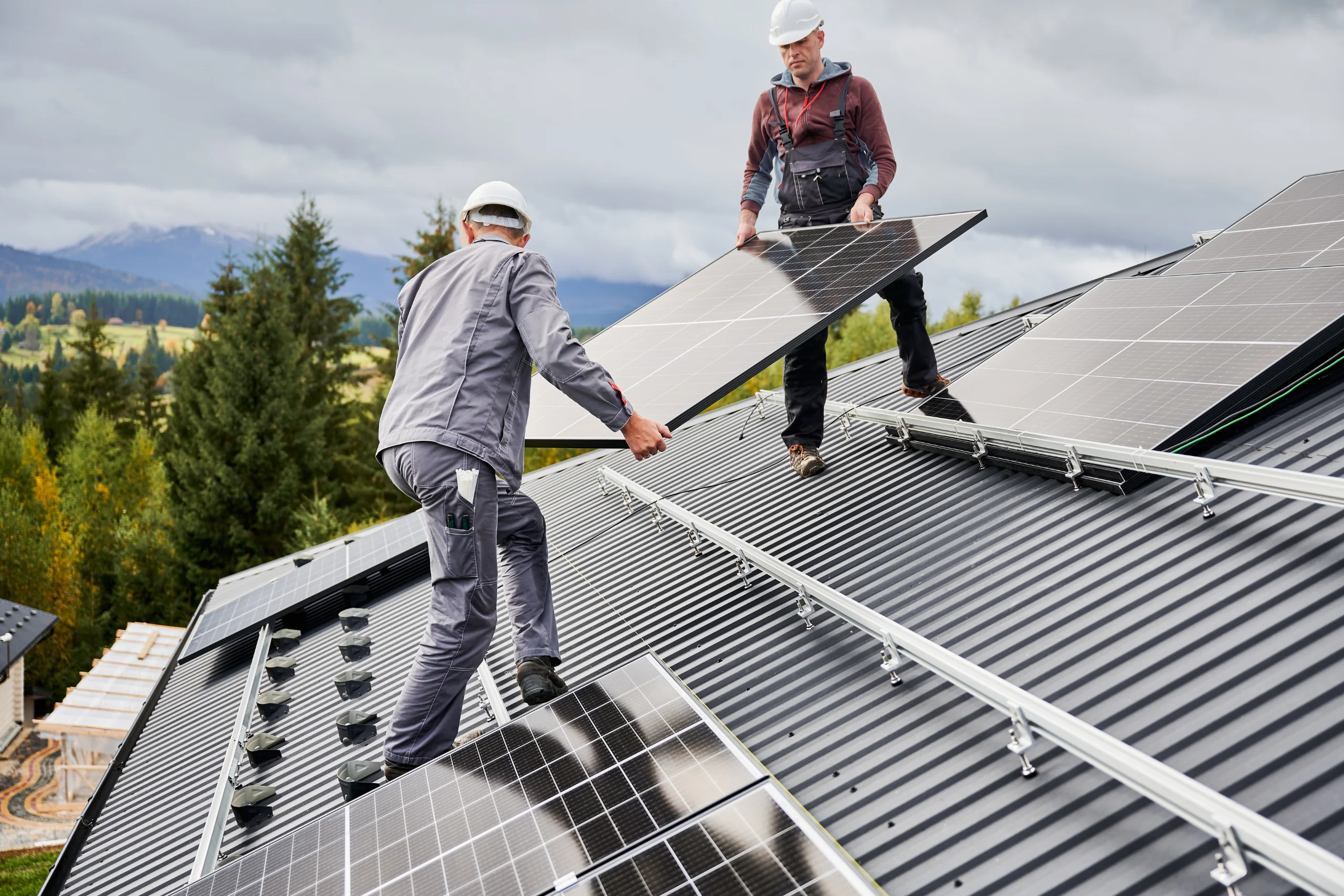
Solar battery backup systems are a great option for homes already equipped with solar panels or those looking for a more sustainable power solution. These systems store energy from the sun during the day and provide power when needed, making them an environmentally friendly choice. Solar battery backups can keep your home powered for extended periods, especially during sunny days.
Best For:
- Homes with solar panels
- Long-term outages
- Reducing reliance on the grid
Pros:
- Renewable energy source
- Long-term power during outages
- Can save money on electricity bills
Cons:
- High initial cost
- Requires adequate sunlight for optimal performance
3. Portable Battery Backup Systems
Portable battery backup systems are versatile and can be used both indoors and outdoors. They are typically smaller, making them easy to transport, and can be used for emergency situations or outdoor activities. These systems often come with various output ports, allowing you to power multiple devices at once.
Best For:
- Emergency preparedness
- Outdoor use
- Short-term power for small devices
Pros:
- Portable and easy to use
- Great for emergencies and outdoor activities
- Can power multiple devices simultaneously
Cons:
- Limited power capacity
- Not suitable for whole-home use
4. Whole-Home Battery Backup Systems
For homeowners seeking comprehensive backup power, whole-home battery backup systems are the most powerful option. These systems, often used in conjunction with solar panels or as standalone units, can power your entire home during an outage. Whole-home systems are designed to handle high loads, such as HVAC systems, refrigerators, and other large appliances.
Best For:
- Long-term outages
- Homes in areas with frequent power outages
- Whole-home power needs
Pros:
- Powers the entire home
- Can handle large appliances
- Long runtime
Cons:
- Expensive to install
- May require professional maintenance and installation
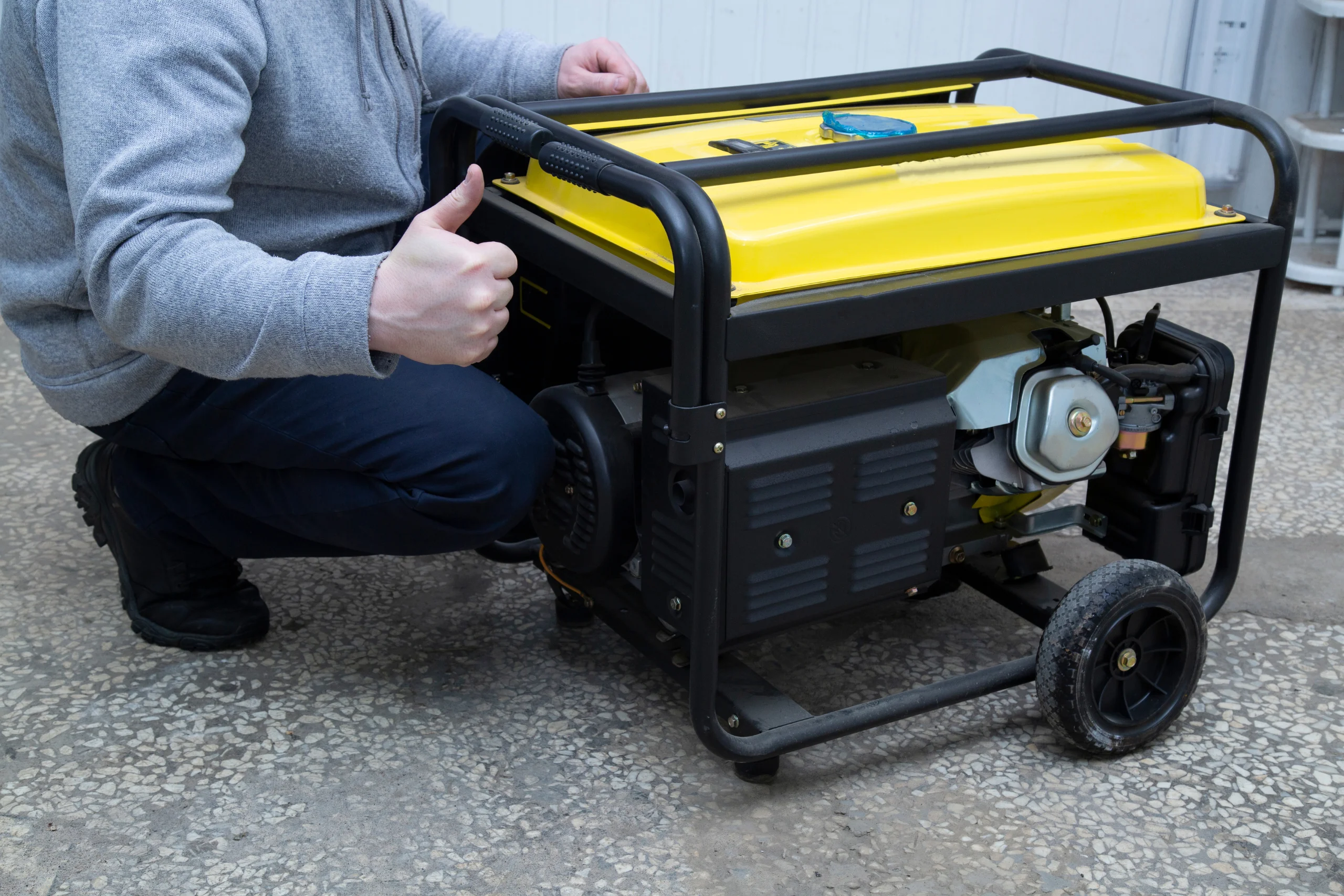
Factors to Consider When Choosing a Battery Backup for Home
With so many options available, selecting the best battery backup for your home can feel overwhelming. To make an informed decision, consider the following factors:
1. Power Capacity
The first thing to consider is how much power you need during an outage. For a home office setup, a smaller UPS system might suffice. However, if you need to keep major appliances like your refrigerator, air conditioner, or home security system running, you’ll need a backup system with greater capacity, such as a whole-home or solar battery backup.
Power capacity is measured in watt-hours (Wh) or kilowatt-hours (kWh). The higher the capacity, the longer the system will be able to power your devices.
2. Battery Type
There are several types of batteries used in backup systems:
- Lead-acid batteries are commonly used in smaller UPS systems. They are affordable but have a shorter lifespan and lower energy density compared to other options.
- Lithium-ion batteries are widely used in solar battery backup systems and whole-home systems due to their higher energy density, longer lifespan, and faster charging capabilities.
- Nickel-cadmium batteries are less common but are known for their durability and reliability in extreme conditions.
Choosing the right battery type can significantly impact the performance and longevity of your battery backup at home.
3. Runtime
How long the battery backup can power your home during an outage is another key consideration. UPS systems are typically designed for short-term power and might only last for a few minutes or hours, whereas whole-home and solar battery systems can last for several hours or even days, depending on their capacity and the number of devices connected.
4. Cost
Battery backup systems range in price from a few hundred dollars to tens of thousands, depending on the type, capacity, and features. Portable and UPS systems are generally affordable, while whole-home systems can be a significant investment. Solar battery backups tend to have higher upfront costs but can save money in the long run by reducing your reliance on grid electricity.
Consider both the upfront costs and the long-term savings when choosing a system that fits your budget.
5. Installation and Maintenance
UPS and portable battery backup systems are typically plug-and-play devices that don’t require professional installation. However, solar and whole-home battery systems often require expert installation and periodic maintenance to ensure they run smoothly. When deciding which system is best for your home, it’s important to factor in the cost and complexity of installation.
6. Noise Level
Some battery backups, particularly larger whole-home systems, can generate noise when in use. If you value a quiet home environment, consider looking for systems that are known for operating silently or with minimal noise.
7. Scalability
If you’re planning to expand your power needs in the future, look for a system that offers scalability. For example, some whole-home battery backup systems allow you to add additional battery modules to increase capacity as needed.
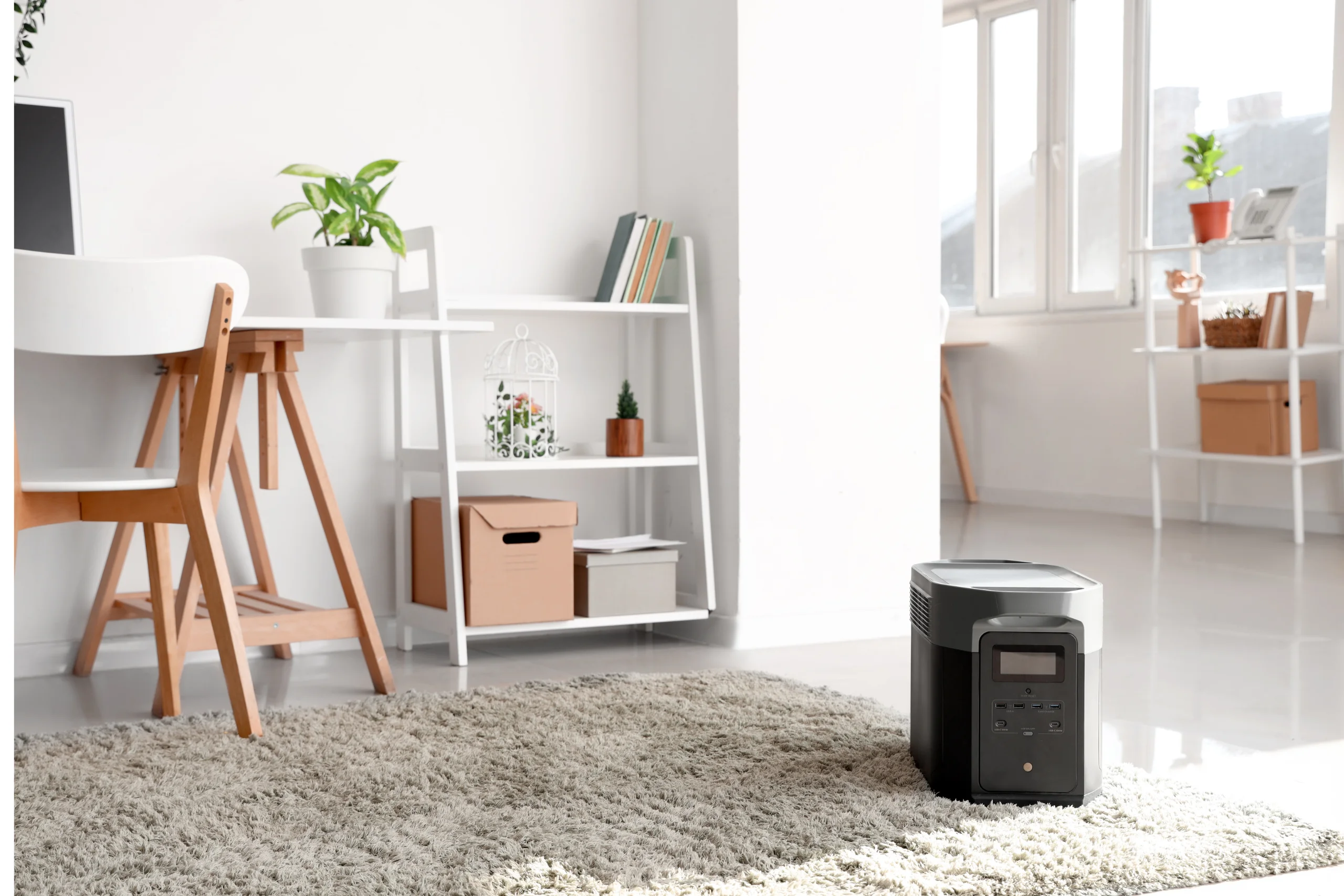
Best Battery Backup Options for Your Home and Home Office
Now that you know what to consider, let’s take a look at some of the top battery backup options for home use:
1. Tesla Powerwall
The Tesla Powerwall is one of the most popular whole-home battery backup systems on the market. It can be paired with solar panels to provide seamless power during outages, and its sleek design allows for easy installation in most homes. With a storage capacity of 13.5 kWh, the Powerwall can power essential home devices for hours or even days during an outage.
Key Features:
- 13.5 kWh capacity
- Seamless integration with solar panels
- Mobile app for monitoring power usage
2. EGO Power+ Nexus Portable Power Station
The EGO Power+ Nexus is a portable battery backup system that’s ideal for emergencies and outdoor use. It features multiple outlets, including USB ports, and can power a variety of devices. While it doesn’t have the capacity to power large appliances, it’s perfect for keeping phones, laptops, and small electronics charged during short outages.
Key Features:
- 3000W peak power
- Multiple outlets and USB ports
- Quiet operation
3. Generac PWRcell
The Generac PWRcell is a robust whole-home backup solution that can provide up to 18 kWh of stored energy. It’s compatible with solar panels and can be scaled up with additional battery modules. This system is ideal for homeowners looking for a long-term, reliable backup solution.
Key Features:
- 18 kWh capacity
- Scalable for larger homes
- Seamless integration with solar energy
4. APC Back-UPS Pro
The APC Back-UPS Pro is a popular UPS system that provides short-term power protection for computers, modems, and other small electronics. It’s an affordable and effective way to protect your home office from data loss and power surges.
Key Features:
- Affordable price
- Protects against power surges
- LCD display for monitoring power status

Conclusion
Choosing the best battery backup for your home depends on your specific needs, whether you need to power essential electronics during short outages or keep your entire home running during a major blackout. UPS systems are ideal for small setups, while whole-home and solar battery backup systems offer more comprehensive solutions.
No matter which type of battery backup you choose, having one in place can safeguard your home, provide peace of mind, and ensure that you’re prepared for whatever comes your way. Consider your power needs, budget, and installation preferences to make the right choice for your home.
To explore battery backup solutions that best suit your home, start by evaluating your energy usage, identifying key appliances, and determining the power capacity you’ll need for peace of mind during outages. Investing in a battery backup for the home can be one of the best decisions you can make for long-term security and comfort.