

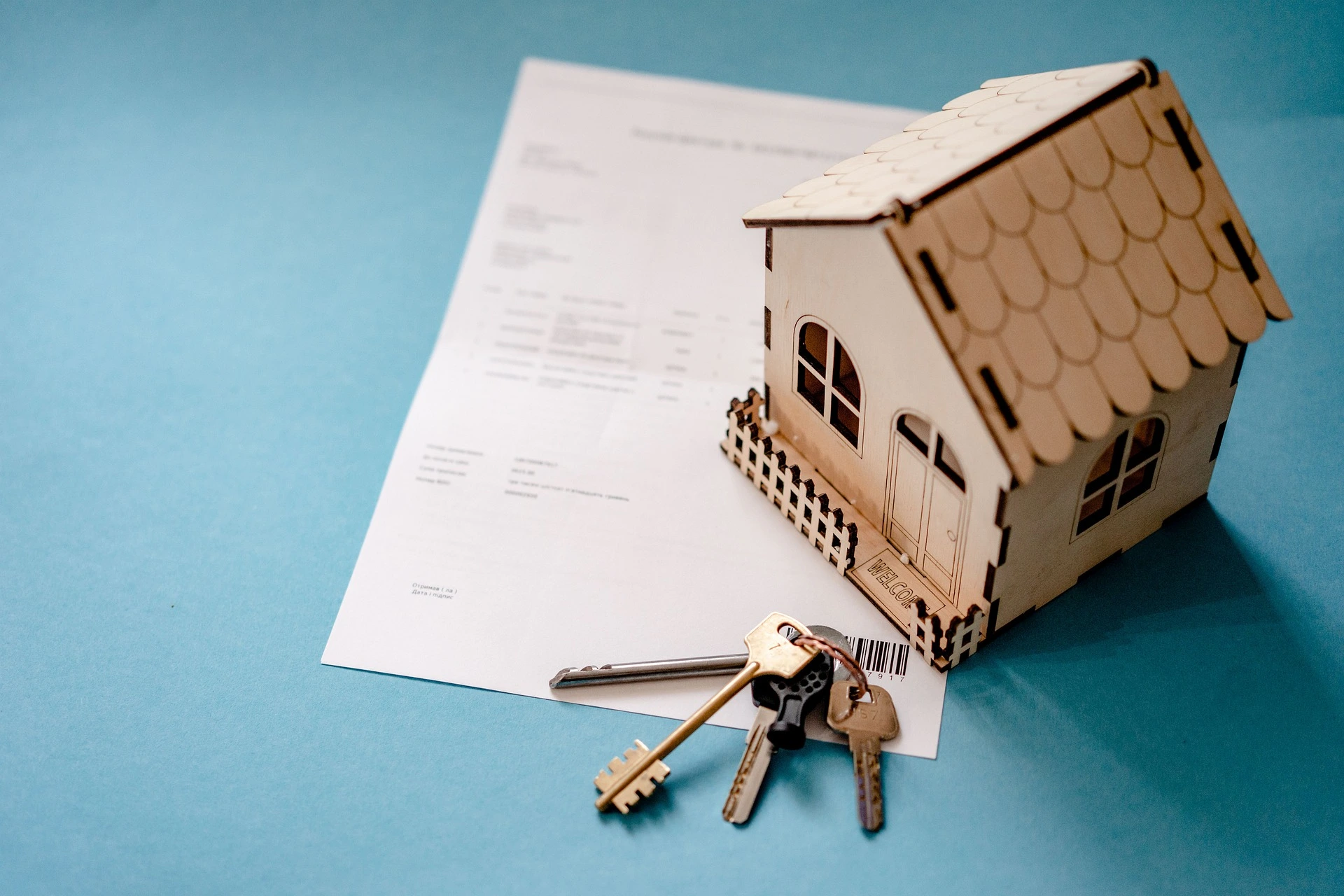
A rental property owner takes on both possible financial gain and some obligation. Skilled rental property management is essential for maximizing revenues while preserving good tenant relations. These seven rules are useful whether you’re an experienced property manager or starting out.
Table of Contents
Thoroughly Screen Tenants
Successful property management relies on several factors, but one of the most crucial and challenging is selecting tenants for rented homes. Verify the possible tenant’s financial stability, check their references, and conduct a criminal background check. By conducting a thorough tenant screening procedure, you can reduce the likelihood of dealing with troublesome renters who are late with their rent or who cause damage to your property.
Set Clear Rental Property Policies
It is crucial to draft clear and concise leasing policies. Get your tenants’ questions answered and ensure they understand their signed lease agreements. It’s important to spell out everything from when rent is due to who is responsible for what in terms of upkeep to whether or not pets are allowed, or smoking is permitted. Setting expectations clearly at the outset can prevent future confusion and conflict. Finding and assigning tenants is a nuisance, but rental property management services remove that stress. They guarantee that a reliable renter will be occupying your space. You and the tenant can use a shared internet interface to manage billing and service requests.
Regular Maintenance and Inspections
Regular maintenance checks and upkeep enhance your investment property’s longevity and value. Creating a regular inspection schedule will allow you to address any issues quickly. Proactive maintenance is the key to happy tenants and long-term cost savings. In addition, taking care of the building’s upkeep is a surefire way to attract and keep quality tenants. The loss of renters because of improper upkeep could be financially disastrous.
Putting Across Your Intended Message
Maintaining open lines of communication with your tenants is crucial. Listen to what they have to say and address their issues. Provide multiple avenues for contacting you and acting swiftly on any service demands. In addition to being good for business, building trust with your tenants can keep them in their units for longer. Keeping an open line of contact with your tenants is essential to improve the quality of your services. Professional rental property management firms fill this need. They work hard always to be available and create a channel for tenants to air grievances.
Financial Management
Keeping meticulous records of your rental property’s income and expenses will help you avoid falling behind on your bills and make tax time far less stressful. Maintaining accurate financial records entails keeping track of money coming in, money going out, and tax payments. You may employ an accountant or utilize some kind of property management program if you feel like you need some help with this.
Stay Informed About Local Laws
Rental laws and rules may vary slightly across the country. It is crucial to stay up-to-date on local legislation governing landlord-tenant interactions, eviction processes, and property upkeep. As a result, problems with the law and the bank account can arise from ignoring these regulations. Consider joining a local landlord association or scheduling a consultation with an attorney to ensure you meet all legal obligations.
Plan for the Unexpected
Unexpected occurrences can occur despite one’s best efforts at planning and management. It’s smart to put some money away in case of emergency expenses, like repairs, legal issues, or tenant vacancies. If you have this safety net, you can rest assured that your investment property will continue to bring in money even if circumstances are rough. Additionally, rental property management will guide you on the importance of insuring your rental properties, as this is the best cover for unprecedented events. Consider comprehensive coverage that will also protect your tenant’s property.
Endnote
Being proactive about maintenance and tenant selection and maintaining open lines of communication with all parties are the three most crucial parts of property management. Following these seven guidelines may help you become a better landlord, maintain satisfied tenants, and increase your rental income. Everyone wins if the landlord can guarantee the renters’ safety and comfort. Everyone benefits from this agreement. If you follow these guidelines, being a landlord will be less of a hassle and more financially rewarding for you, and dealing with property management difficulties will be simpler.
