

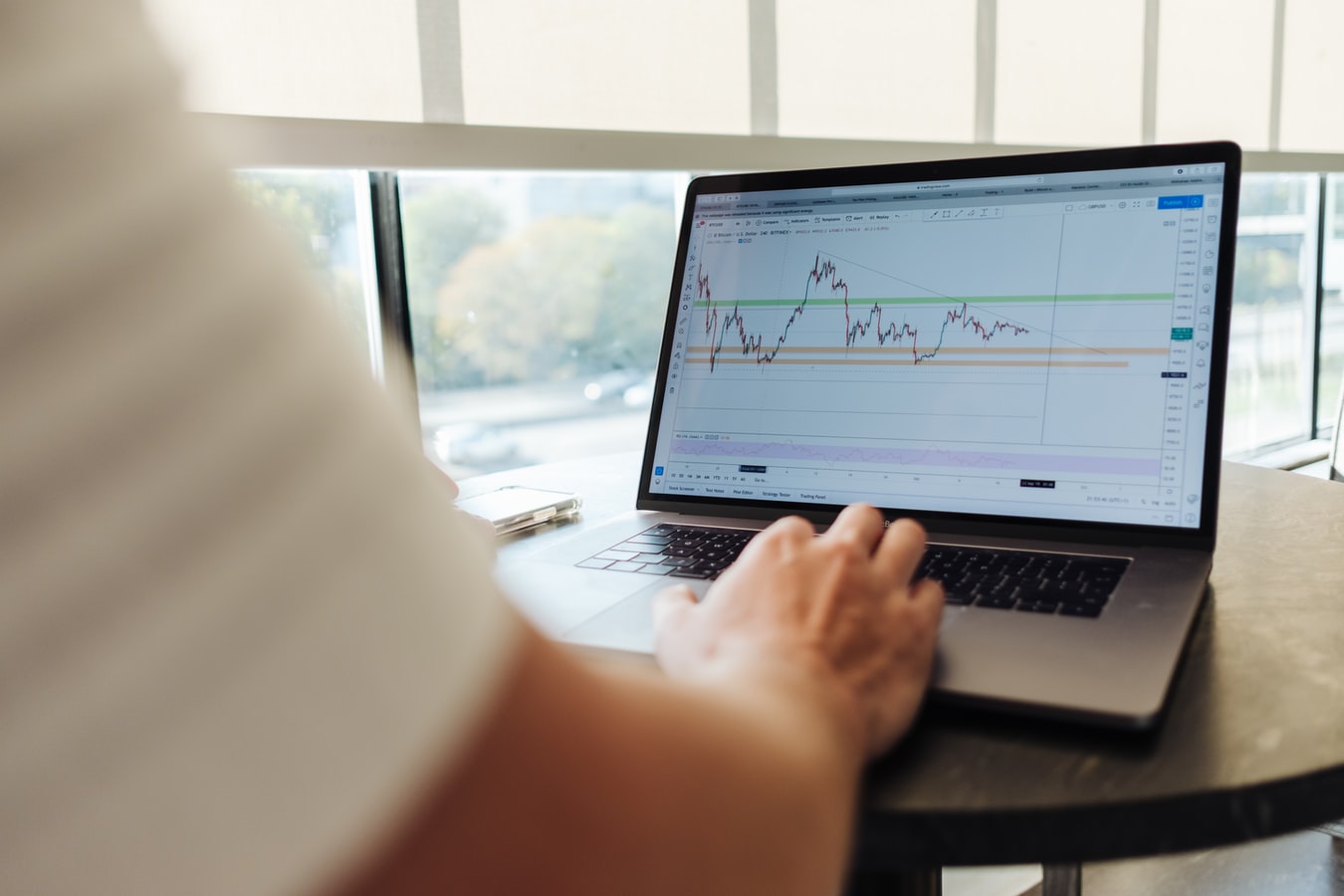
Foreign exchange (forex) trading has grown significantly over the past few decades, as technological advancements and globalization have made it easier for individuals and businesses to trade currencies. Whether you are doing forex trading in the comfort of your home in the United States or doing independent trading on Forex Broker Philippines, the internet has made forex trading more accessible to people around the world.
However, forex trading can be a high-risk activity that carries the potential for significant losses. Even the most well-thought-out strategies could fail due to factors beyond the trader’s control.
The only way today to stay afloat and make good money in the foreign exchange market is to constantly improve your skills, improve your skills in assessing the market situation, the ability to make lightning-fast decisions and act outside the box, one step ahead, or only one step behind the trend and the actions of the crowd. Not a single, even the best Forex strategy, can cope with such a task for a long time without human intervention.
Why do forex strategies fail?
The primary reason for failure is the complexity of creating a trading system, which involves developing a program code that accurately reflects the trading plan. Even the best ideas can be challenging to translate into a programming language. If you are not proficient in programming, it’s unlikely that someone else can create a system to match your requirements precisely. As a result, errors, flaws, and mistakes can occur due to inaccurate translations or inadequate task specifications, making it challenging to modify or expand the system’s functionality.
Moreover, automated trading systems rely solely on technical analysis, which cannot account for fundamental analysis such as news or financial reports. Even if there are clear signals of an impending financial crisis, a trading robot may continue to execute trades according to its pre-programmed technical analysis, potentially leading to significant losses.
What can be a problem?
Here are just a few examples of simple situations in which you can lose a large amount by trusting the robot, the trading system on which the strategy is based 100%:
- internet shutdown – automatic closing of a position, not to mention the competent continuation of trading, is out of the question;
- software problems;
- lack of response to other non-standard events.
Using a trading strategy has the advantage of removing emotional influence from decision-making, but this can also lead to negative outcomes. In favorable market conditions, an automated trading system can double a deposit without any emotional attachment. However, it can also drain the deposit in the same cold-blooded manner. As machines lack emotions, they are indifferent to the final outcome, and only limiting the use of the entire deposit can provide assurance that the strategy will not fail.
