

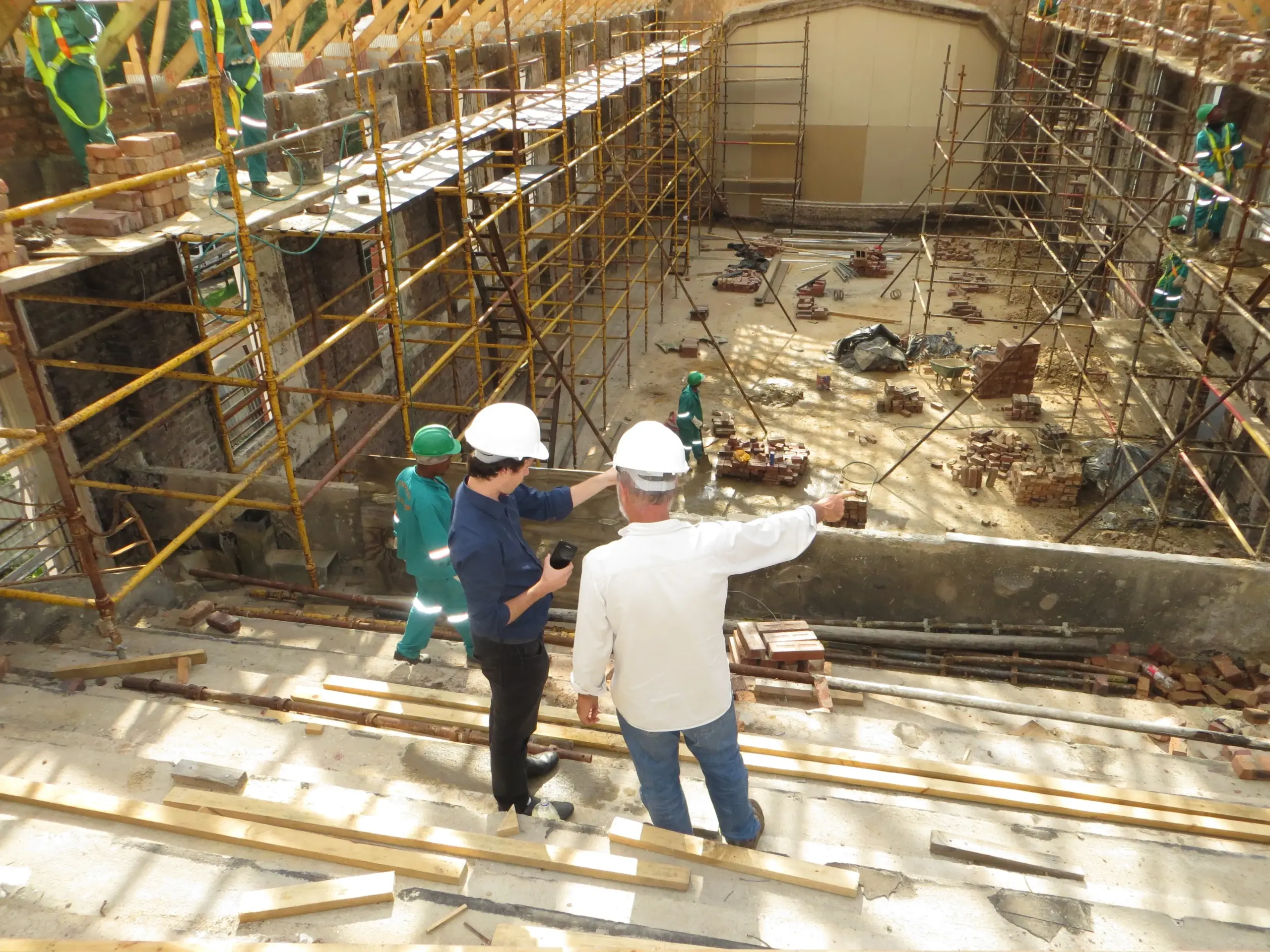
Construction building estimator service sites are a hive of activity. Workers dig the earth out to prepare the area for construction, maneuver heavy machinery, and work at a height—all while racing against time.
With so much going on, it’s no shocker that some fatal accidents occur at the jobsite. Just this May, CBS Chicago reported that a Grovetown construction worker’s leg got stuck in a concrete curb machine. An on-site amputation of the lower extremity was performed to free the worker’s leg.
In 2022, the highest number of fatalities was recorded in the construction industry. Approximately 1,069 construction professionals lost their lives while working. An article featured in Industry Dive disclosed that.
Your employees sweat blood so that the project is ready on time. Don’t you think you should take measures to ensure their safety on the jobsite?
Here, we’ll share some strategies that can help you keep your workers safe on the construction site.
Table of Contents
#1 Instruct Workers to Wear PPE
Safety glasses and goggles, hard hats, high-visibility clothing, and fall protection gear aren’t there for show. They are lifesavers. Their purpose is to protect workers from various hazards on construction sites.
It is your duty to make sure each of your workers has personal protective equipment or PPE. That isn’t all. You must instruct them to wear it daily at the construction site. Make it clear that PPE isn’t optional, no matter how minor the task may seem.
Their PPE, the CDC says, needs to fit just right to deliver the protection it promises and allow them to do their jobs safely. Improperly fitted gloves or a loose hat can leave your workers just as vulnerable as if they weren’t wearing them at all.
Teach them the correct way to put on and take off the PPE. Ask them to refer to the manufacturer’s instructions to make sure the equipment fits correctly.
Assign a supervisor who can check if their protective clothing is in good condition. If it has holes or is frayed or burned, replace it right away.
#2 Focus on Fall Protection
The highest number of fall-related fatalities are reported in the construction industry. Close to half, or 47.4%, of deaths occurred due to fatal falls along with slips and trips in 2022.
There should be safety nets and guardrails at the jobsite to minimize fall-related injuries and deaths.
You must provide fall protection to every worker who works on elevations. The OSHA requires workers to wear a full-body harness when they work on a suspended scaffold more than 10 feet above the working surface. Make sure it’s connected to an anchor or a series of anchor points via a deceleration device or lanyard.
Early this year, a construction worker suffered serious injuries after they fell down from a construction site in downtown Colorado Springs. Lt. Drew Cahill informed 11 News that the worker fell from the roof of the Cimarron and Weber apartment building while they were working.
Had the project manager taken adequate measures for fall protection, the worker wouldn’t have been injured. In cases like these, where fall protection standards are not met and serious injuries occur, workers have grounds to file a personal injury lawsuit.
Injuries in slip and fall accidents, Springs Law Group explains, range from minor bruises to catastrophic harm that necessitate long-term care. If your workers get injured at the jobsite after falling down, they can seek compensation for their injuries.
A Colorado Springs personal injury lawyer can help them seek compensation for their injuries. The attorney will prove that negligence on your part led to the worker’s injury. Eventually, you will have to compensate them for lost income, medical bills, and other damages.
To avoid getting into trouble, implement fall protection measures from the get-go.
#3 Organize and Store Tools Properly
A cluttered construction site is not only an eyesore but also a safety hazard. In 2022, about 225,025 non-fatal accidents took place due to contact with objects or equipment.
Tools such as saws and angle grinders must never be left on the floor. Designate specific areas in the construction site for each type of tool. Inform everyone about that area, so they know where the tools belong.
Instruct workers to return the tools to their designated spots after use. Toolboxes, racks, or shelves are great options for storing tools. Make use of them; they will help you keep the site neat and tidy.
In the case of larger equipment, store it in a fully enclosed structure, away from moisture and direct sunlight. Use a tarp to keep out dust.
No doubt, construction sites are risky places. They expose workers to numerous hazards—whether it’s working at height or using power tools. Ensuring their safety is your duty. You can avoid a tragedy by taking preventative measures. So, take these steps, and you will be able to create a safer, more productive jobsite where your workers can work confidently.