

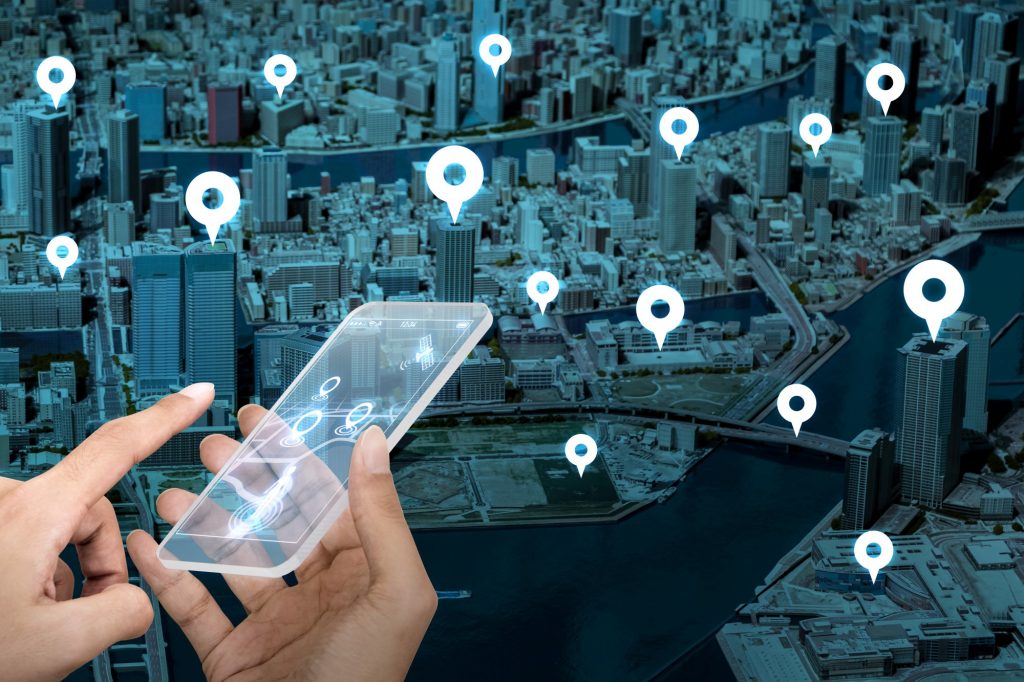
Our society spends a lot of time out and about. We pass new, unfamiliar stores every day as we run errands or meet up with friends. While we’re out, we’re checking our phones half the time, heads ducked toward our screens instead of the world around us.
In fact, over 66% of Americans own a smartphone. So how do you use the combination of passing foot traffic and phone use to your advantage?
With geofencing marketing, you can send a message to potential customers who are already nearby.
It’s a lot easier than it sounds. Keep reading to learn more about geofencing marketing, and how it can help you attract traffic to your business.
What Is Geofencing?
So what is geofencing marketing, and why are more companies starting to use it?
Geofencing marketing is a type of location-based marketing. With this marketing strategy, you can send alerts to your customers based on their proximity to your business. The alerts trigger when their device enters a specific location radius.
Then, they’ll receive special offers from nearby businesses.
Geofencing uses the same technology we find in GPS, Bluetooth, and beacon technology to create a virtual background. This technology allows you to limit how far you want your messages to reach.
With geofencing marketing, you can send your messages out to customers at the right place and right time. Most companies use geofencing to send push notifications or mobile ads near their physical location.
Many companies are already using mobile geofencing to their advantage, including your competitors. Geofencing companies can help you set up a strategy so you can gain and maintain a competitive advantage with other companies in your area.
The Benefits of Geofencing Marketing
88% of senior marketers say creating a cohesive journey for their customers is essential for business success. With geofencing marketing, you can create that cohesive buyer’s journey, attract new business, and more.
Here are four benefits of using geofencing marketing for your business that can put you on the map.
Local Optimization
Many companies are already using local search engine optimization (SEO) strategies to connect with local customers. Local optimization is important because it allows you to connect with customers who are already in your area. This can help you build a loyal fan base of local customers who will keep coming back for more.
Geofencing marketing can help build your local SEO.
By ranking higher in local searches, your company name will appear above a competitor’s in a search. A higher ranking will help you attract customers to your website before they consider visiting the competition.
With geofencing marketing, you can focus your attention on these local customers.
As an added bonus, you can make your messages timely and relevant to your location. Proper messaging will make it easier for you to connect with your customers and make an impact.
Data
Without proper data and analytics, it’s difficult to make informed decisions about your marketing strategies.
Geofencing marketing will keep track of which customers visit your store from a geofencing promotion. There are plenty of metrics you can track as well, such as how long someone stays in the store. Once you have this data, you can make informed changes to your messaging.
As a result, you have the chance to improve your geofencing mobile marketing to attract more customers.
Personalization
The same message won’t work with every customer. In fact, consumers are more responsive to a personalized marketing message than they are to blanket statements. If an ad doesn’t align with our individual interests, why should we care?
With geofencing marketing, you can use your data to personalize your promotions.
More precise messaging will allow you to connect with customers. By leveraging their interests, you can attract them to your business before making a sale.
Cost-Effectiveness
Some print marketing methods can turn costly without a high ROI to make the cost worth it. Geofencing, on the other hand, is a cost-effective marketing strategy.
Geofencing allows you to reach a local audience that’s likely to visit your store. As a result, you can focus your marketing budget on the people most likely to become paying customers. With data at your fingertips, you can also make informed decisions to change and optimize your campaigns.
How Do I Get Started?
Now that we’ve answered what is geofencing, let’s talk about putting it in action!
Know Your Audience
First, you need to know your audience. Instead of targeting a radius, target the people most likely to become paying customers. Use demographics to determine who your customers are and what they need.
That way, you can create promos that apply to their individual interests.
Keep It Tight
Geofencing marketing allows you to control how far your marketing radius extends. Instead of a broad, city-wide radius, keep it tight. Try to maintain the radius within five minutes of travel time.
Keeping a tighter radius will help you focus on the people most likely to walk or drive to your location. Otherwise, you might not get the foot traffic you’re looking for.
Kick Up the CTA
Your CTA is the call-to-action that will encourage your customers to take action.
While using geofencing marketing, it’s important to craft a concise, clear message. What will attract your customers into the store? Then, create an impact call-to-action that will encourage a specific activity. This can include “Buy Now” or “Grab One While They Last.”
The more specific the CTA, the more focused you can keep customers on taking that action.
Stay Social
Geofencing marketing works with social media, too! Create location-inspired posts to remind customers you’re local. This will help you engage your audience, encourage them to share content, and remind customers about your location.
Check the GPS: A Beginner’s Guide to Geofencing Marketing
Lock onto your customers and start targeting! With geofencing marketing, you can attract more foot traffic into your store. Using personalization and a strong CTA, you can then convert that traffic into paying customers.
Searching for smarter small business strategies? Explore the Marketing section of our blog today!