

Accessibility is no longer just a compliance requirement for businesses—it is a fundamental component of creating inclusive environments that welcome everyone. One of the most impactful innovations in commercial architecture and design is the integration of automatic doors. With their ability to effortlessly facilitate entry and exit, automatic doors are transforming the way people, regardless of mobility levels, interact with public and commercial spaces.
Table of Contents
Why Accessibility Matters
Accessibility extends far beyond installing ramps or wider doorways. It’s about designing spaces where individuals of all abilities can move freely, without physical or psychological barriers. Automatic doors play a significant role in this evolution, ensuring that no one feels excluded or inconvenienced due to traditional, manually operated doors.
From individuals with mobility aids to parents with strollers and people carrying heavy loads, automatic doors ensure seamless access for everyone. This simple but powerful technology is building a future where accessibility is not an afterthought but a standard.
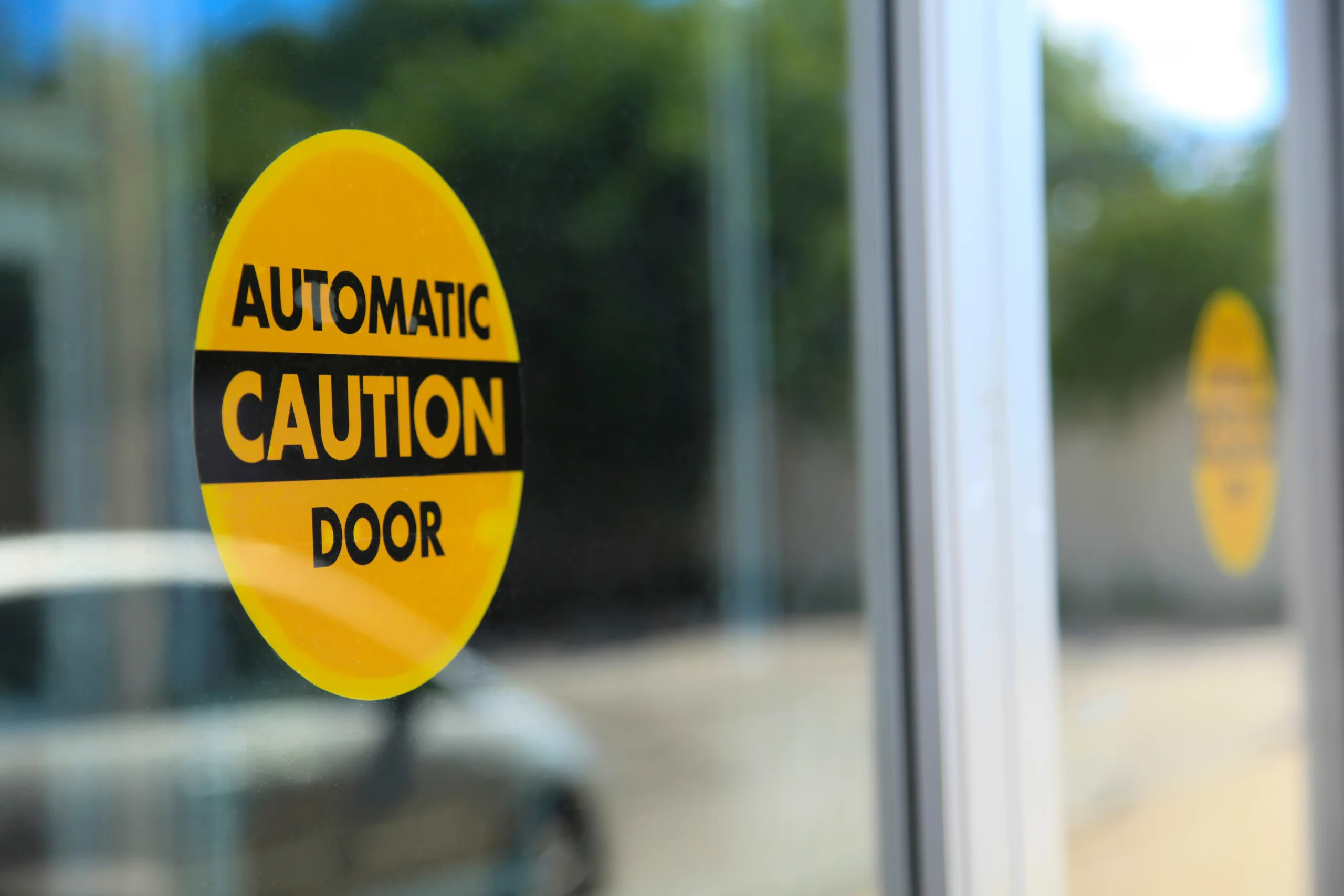
The Role of Automatic Doors in Accessibility
Automatic doors improve accessibility in commercial spaces in several ways:
1. Hands-Free Operation
Automatic doors eliminate the need for physical effort, allowing individuals with limited mobility, arthritis, or other physical conditions to enter or exit buildings effortlessly. By responding to motion sensors or push-button controls, automatic doors enable a hands-free experience, which is particularly beneficial in high-traffic or healthcare environments.
2. Accommodating Assistive Devices
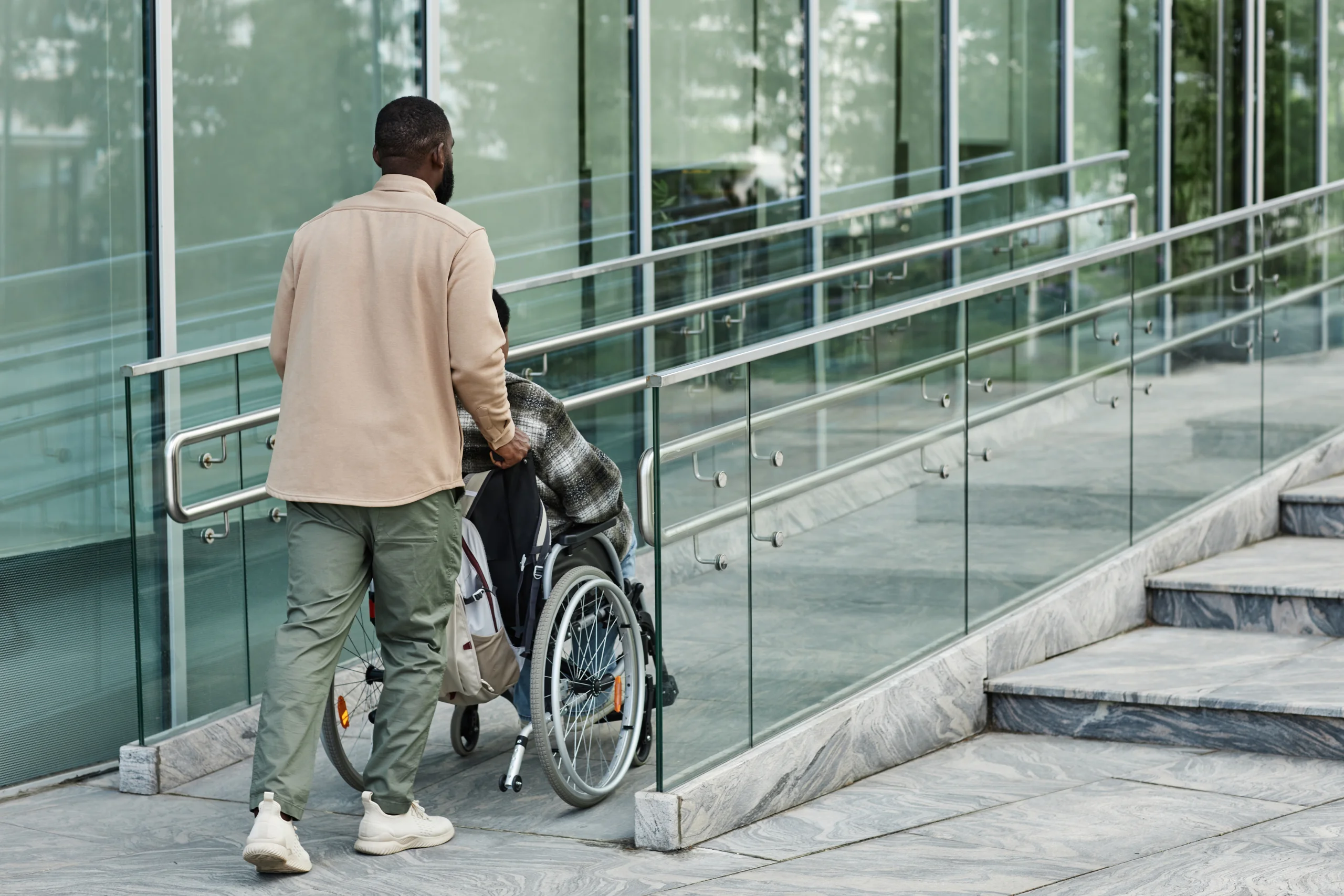
Wheelchairs, walkers, and other mobility aids can pose a challenge when navigating traditional doors. Automatic doors solve this issue by providing wide, seamless entry points that accommodate all assistive devices without the need for additional assistance.
3. Compliance and Inclusivity
Modern accessibility standards, including those outlined in the Americans with Disabilities Act (ADA), often require businesses to meet specific guidelines. Automatic doors not only ensure compliance with these regulations but also demonstrate a business’s commitment to inclusivity and customer comfort—an important factor in building consumer loyalty.
Beyond Accessibility to Efficiency and Hygiene
While their primary purpose is to ensure accessibility, automatic doors also bring other significant benefits to commercial spaces:
- Enhanced Hygiene: Touchless entry systems reduce the need for physical contact, minimizing the spread of germs—a crucial consideration in today’s health-conscious world.
- Energy Efficiency: Automatic doors minimize drafts and energy loss by opening and closing only when needed, making them an eco-friendly choice for businesses striving to reduce their carbon footprint.
Maintaining Accessibility with Quality Service
To maintain accessibility standards, consistent functionality is key. Automatic doors are sophisticated systems that require regular maintenance to ensure optimal performance. That’s where a reliable automatic door service becomes essential. Scheduling routine inspections and prompt repairs keeps systems functioning effectively, guaranteeing uninterrupted accessibility for all users.
The Future of Accessibility in Commercial Spaces
The rise of automatic doors marks just the beginning of a broader trend toward technology-driven solutions for accessibility. Innovations such as voice-activated doors, AI-powered sensor systems, and even smartphone-controlled entry points are already starting to shape the future of inclusive building design. These advancements will not only enhance accessibility but also contribute to creating smarter, more efficient commercial spaces.
Final Thoughts
Automatic doors aren’t just functional features—they represent a deeper commitment to inclusivity, convenience, and modernity. For businesses, investing in automatic doors is about more than meeting regulations; it’s about creating an inviting atmosphere for all visitors and customers.
Whether you own a small storefront or manage a large commercial property, upgrading to automatic doors is a step toward accessibility and customer satisfaction. Pair this investment with professional automatic door service to ensure that your system continues to deliver value for many years to come.