

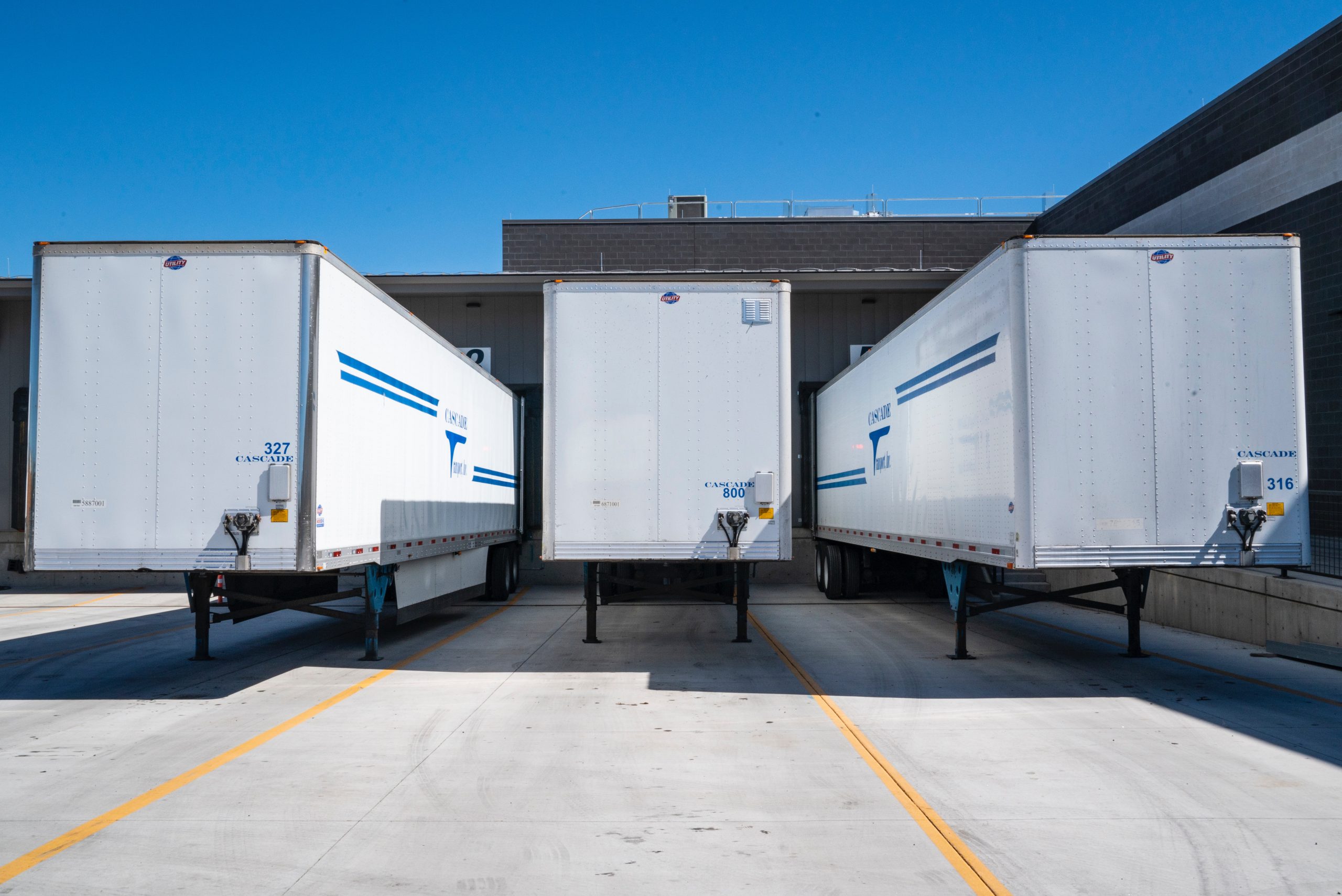
A backhaul is when a truck or van returns to the warehouse or another location after dropping off a shipment.
The backhaul stage of delivery is just as important as the initial trip to the recipient destination. Usually, delivery trucks and vans are empty or partially empty during a backhaul, and delivery vehicles may follow the same route back to a central location or a slightly different route if the latter is shorter.
It’s important for all businesses that delivery products to consider their backhaul processes. Optimizing backhauls is key for operational efficiency and success. Below, we have covered some of the key benefits of backhauls.
Table of Contents
Reduced Transportation Costs
Backhauls enable you to optimize your transportation routes and minimize the time and fuel used to complete deliveries. Figuring out the most optimal routes for your backhauls when your trucks and vans are empty can minimize the cost per mile when traveling to and from the location of your business base.
Spending less on fuel and avoiding unnecessary mileage can significantly reduce your expenses in the long run and allow you to allocate your budget elsewhere in your business.

Optimizing Routes and Backhaul
Every delivery route and backhaul should be optimized to reduce fuel costs and avoid wasting staff hours. Optimal delivery routes also ensure orders are fulfilled and delivered to their destinations promptly, allowing for quicker backhauls and contributing to overall business success.
Reduced Carbon Footprint
Being environmentally conscious is important for reducing the negative impacts of your business on the climate. Optimizing backhauls can reduce your carbon footprint by minimizing fuel usage and greenhouse gas emissions, ensuring sustainable and eco-friendly business practices.
By reducing your carbon footprint during your backhauls, you can also ensure that your business complies with environmental regulations. As the years go on, environmental regulations are becoming stricter, and logistics and delivery businesses must reduce their carbon footprint as much as possible.
You can adapt organized and efficient backhauls to ensure legal compliance and avoid fines associated with unsustainable practices. In turn, you can keep your unnecessary expenses to a minimum and build a strong reputation as an environmentally conscious business.
Better Relationships with Suppliers
Building strong relationships with suppliers is vital for long-term success. It ensures consistent delivery of goods to and from your warehouse and enhances the customer experience. Efficient backhaul processes can improve your relationships with suppliers, partners, and stakeholders, leading to more business growth opportunities.
Improved Data Analysis
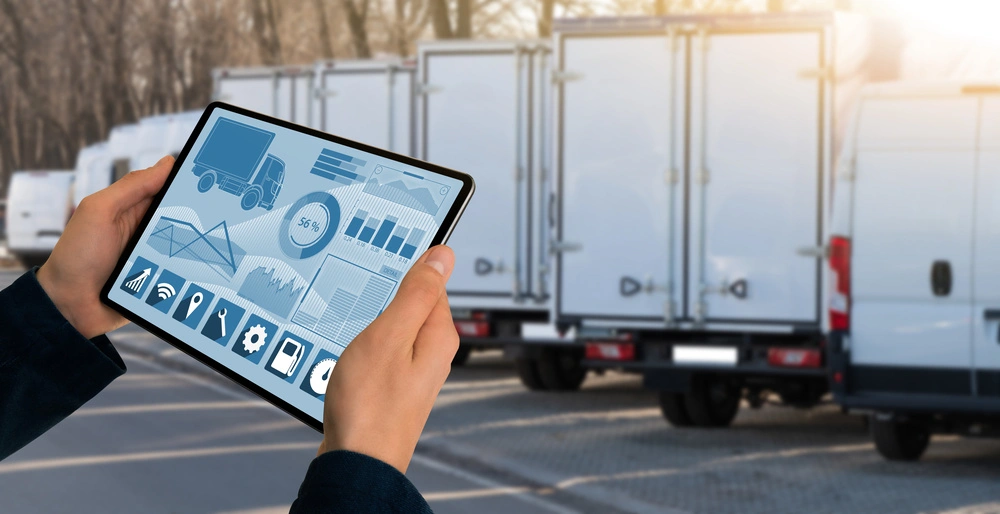
Backhauls can promote better data analysis within your business, particularly within your logistics operations. Data management and analysis can improve order tracking, route optimization, and customer satisfaction. It can also inform decisions within other business areas, such as marketing and customer service, by enabling you to gather accurate data in real-time.
FAQ on Backhauls
What are backhauls, and how do they benefit my logistics operations?
Backhauls refer to the return trips that trucks or vans make to the warehouse or another location after delivering a shipment. These trips are essential for improving logistics efficiency as they ensure vehicles do not travel empty, which maximizes resource utilization. By coordinating backhauls, businesses can reduce fuel costs, lower carbon emissions, and enhance operational efficiency. This practice also helps in optimizing route planning and fleet management, leading to cost savings and increased productivity in the logistics chain.
How can backhauls contribute to cost savings for my business?
Backhauls can significantly contribute to cost savings by reducing the number of empty miles your fleet travels. When trucks return loaded with goods instead of empty, you utilize the return trip to generate revenue rather than incur additional expenses. This efficient use of resources leads to lower fuel costs, reduced wear and tear on vehicles, and decreased need for additional trips. Consequently, your business can enjoy substantial cost reductions, improved profit margins, and a more sustainable logistics operation.
What impact do backhauls have on sustainability and environmental goals?
Implementing backhaul strategies can have a positive impact on your business’s sustainability and environmental goals. By ensuring that trucks are fully utilized on both outbound and return trips, you can decrease the total number of trips needed, reducing fuel consumption and greenhouse gas emissions. This contributes to a smaller carbon footprint for your logistics operations. Additionally, adopting environmentally friendly practices can enhance your company’s reputation, making it more attractive to environmentally conscious consumers and partners.
How do backhauls improve the efficiency of my supply chain?
Backhauls improve supply chain efficiency by enabling better route optimization and fleet management. When you incorporate backhauls into your logistics planning, you can create more effective schedules that minimize idle time and ensure that trucks always carry goods, whether outbound or on the return journey. This leads to quicker turnaround times, fewer delays, and enhanced reliability in your delivery schedules. The improved efficiency boosts customer satisfaction and allows for greater flexibility in responding to demand fluctuations and market changes.
What are the potential revenue opportunities associated with backhauls?
Backhauls present significant revenue opportunities for businesses. By leveraging return trips, you can offer additional services such as reverse logistics, transporting returned goods or recyclable materials back to the warehouse. This creates an additional revenue stream and supports a circular economy model. Additionally, you can partner with other businesses to transport their goods on your return trips, effectively turning what would have been an expense into a profit-making venture. These strategies help maximize the utility of your fleet and increase overall profitability.