

Real estate investment has long been regarded as a lucrative avenue for generating wealth and securing financial stability. However, as investors navigate the complex world of real estate, they face challenges related to trust and transparency.
To address these concerns, real estate investor reporting is pivotal in fostering trust between investors and their partners, building transparency, and providing valuable insights into the investment journey. In this article, we’ll explore the significance of real estate investor reporting, its impact on the investment landscape, and how it aids in building lasting relationships between stakeholders.
Table of Contents
Understanding Real Estate Investor Reporting
Real estate investor reporting refers to providing investors with regular updates, performance metrics, and financial information. It serves as a communication bridge between the investors and the individuals or entities managing the real estate projects. The purpose is to keep investors informed about the progress and status of their investments, ensuring they are aware of both successes and challenges faced during the investment journey.
The Significance of Trust and Transparency
Trust is the bedrock of any successful relationship and holds for the investor-developer relationship in the real estate market. Investors commit substantial capital, hoping for promising returns. Establishing a long-lasting partnership is essential to provide them with a sense of security and confidence. Transparent communication through real estate investor reporting helps in creating an atmosphere of trust and reduces the uncertainty associated with real estate investments.
Transparency goes hand-in-hand with trust. It means providing unfiltered, accurate, and detailed information about the investment’s performance, risks, and financial health. By fostering transparency, investors can make informed decisions, assess risks, and develop a comprehensive understanding of the potential rewards and challenges.
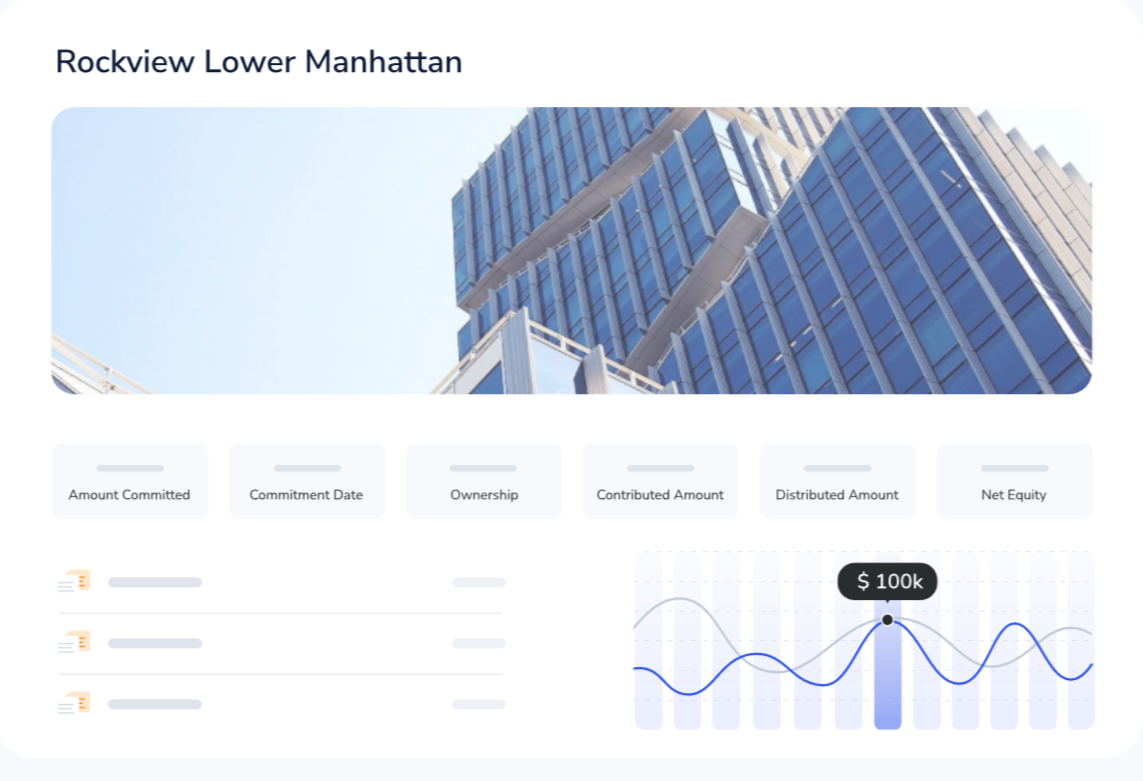
The Impact of Investor Reporting on the Investment Landscape
Investor reporting and its impact cannot be minimized. Accurate, consistent reporting yields many short-term and long-term benefits:
Informed Decision Making
Real estate investor reporting equips investors with the knowledge necessary to make well-informed investment decisions. Timely access to data and insights empowers them to adjust their strategies or mitigate risks as needed, leading to better overall investment outcomes.
Risk Mitigation
Investing in real estate involves inherent risks. Regular reporting enables investors to identify potential risks early on, allowing for proactive measures to mitigate their impact. This level of responsiveness can safeguard investments and increase their overall resilience.
Building Credibility
Developers and real estate companies that consistently provide thorough and transparent reporting build credibility in the market. This credibility attracts more investors, fostering long-term relationships and opening doors for future projects.
Strengthening Communication
Investor reporting facilitates effective communication between investors and the development team. It encourages an open dialogue, where investors can ask questions, seek clarifications, and gain a deeper understanding of the projects they are involved in.
Accountability and Responsibility
By maintaining accurate and up-to-date reports, developers demonstrate their accountability and commitment to investors. This sense of responsibility strengthens the partnership and fosters a shared sense of purpose in achieving the investment’s goals.

Effective Real Estate Investor Reporting Practices
As mentioned above, good real estate investor reporting can help you maintain good relations with your investors. Thus, incorporating real estate investor reporting can help you grow your business and attract more and better investors. To maximize the benefits of investor reporting, certain best practices should be followed:
Timeliness
Reports should be delivered on a regular schedule, ensuring that investors receive updates promptly. Adherence to deadlines demonstrates professionalism and dedication to transparent communication.
Clarity and Simplicity
Reports should be clear, concise, and easy to understand, even for finance or real estate non-experts. Avoid jargon and technical language, and use visual aids like charts and graphs to present complex data.
Comprehensive Data
Investors expect a comprehensive overview of the investment’s performance, financials, and market conditions. Providing detailed data compiled using reporting software helps investors gain a holistic view of their investments.
Risk Assessment
Include a thorough risk assessment in the report. Identify potential risks and outline strategies to address them. This will allow investors to better assess the risk-return profile of their investments.
Forward-Looking Insights
Don’t just focus on past performance; provide insights into plans, projected returns, and potential challenges. Forward-looking information helps investors align their expectations and strategies accordingly.
Conclusion
Real estate investor reporting is an indispensable aspect of the investment journey, ensuring trust and transparency between investors and developers. By embracing this practice, stakeholders can foster stronger relationships, make informed decisions, and mitigate risks effectively. Transparency in reporting strengthens individual investments and contributes to a more robust and trustworthy real estate investment landscape as a whole. As the market evolves, investors and developers must prioritize communication, accountability, and responsibility to successfully navigate the ever-changing dynamics of real estate.
