
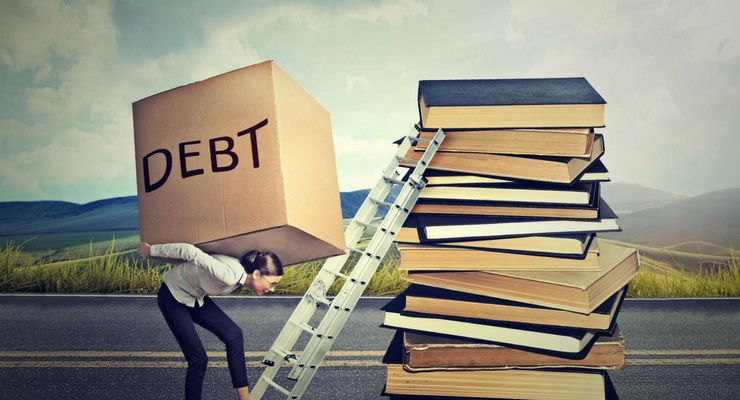
If your small business loan has been declined by a lender, it can often have more to do with your personal credit history rather than a perceived hole in your business plan.
While several factors could have affected your ability to repay loans or commitments, these will unlikely be considered by a lender making a decision on your business loan application. As such, there are ways and means to ensure that your expectations for credit match those from a lender’s perspective. Understanding the inextricable link between risk and approval for credit is often the inspiration to learn how to improve your credit score and find a suitable lender
Understanding your credit report
As a credit report indicates the likelihood and capability of an individual making repayments on time and in full to lenders, you must be familiar with yours. You are entitled to access this information, and you can check your free credit score instantly or request it in writing. The Federal Credit Reporting Act (FTC) summarizes your rights under the Fair Credit Reporting Act.
Personal credit scores in the US are generally worked out via an algorithm developed by FICO to calculate your credit score, which allows lenders to assess the risk you pose to them. The scoring system assigns you a number between 300 and 850, which will determine the category you fall into.

How you are assessed
The following information on FICO scores demonstrates how lenders will assess you according to the potential risk your credit application may represent:
Exceptional (800 – 850): 19.9% of People
Approximately 19.9% of the population of the United States falls into the Exceptional Credit Score category. Applicants within this bracket are considered extremely low-risk and will qualify for the best rates on credit.
Very Good (740-799): 18.2% of People
Applicants falling into this category are likely to be offered rates that are deemed above average.
Good (670-739): 21.5% of People
Just 8% of applicants deemed to have a Good Credit Score are likely to become ‘seriously delinquent at some point.
Fair (580-669): 20.2% of People
Applicants with a Fair Credit Score are regarded as subprime lenders.
Very Poor (300-579): 17% of People
Exceptionally high-risk, those applying for credit from this category may be required to pay upfront fees or deposits and have a high chance of having applications declined.
Poor credit may impact you now, but you can turn things around
The current economic climate makes it tough for even those with above-average personal credit scores to obtain business loans, which makes it even more difficult for those with poor credit. However, this does not mean that those deemed a higher risk to lenders cannot obtain credit in the future.
Specific types of credit are available to those with lower credit ratings, although interest rates and APRs will generally be much higher. The upside to working on your credit rating is that it will make it easier to obtain credit in the future, providing your efforts are serious and well-managed.
Business plans may need to be offset for a while, but that is not always bad.
FAQ: How Bad Personal Credit Can Affect Your Immediate Business Plans
How does personal credit impact the ability to secure business loans?
Personal credit plays a significant role in securing business loans, especially for small businesses and startups. Lenders often look at the business owner’s personal credit score as an indicator of creditworthiness and financial responsibility. A poor personal credit score can lead to higher interest rates, stricter loan terms, or outright denial of credit. Lenders may view individuals with bad credit as high-risk borrowers, increasing their hesitation to extend credit. Improving personal credit by paying off debts, making timely payments, and reducing credit utilization can enhance the chances of securing favorable business loan terms.
Can bad personal credit affect the business’s ability to get credit from suppliers?
Yes, bad personal credit can affect a business’s ability to get credit from suppliers. Suppliers and vendors often assess the creditworthiness of a business by looking at the owner’s personal credit score, especially if the business is new or lacks a credit history. A poor credit score can lead to less favorable terms, such as requiring upfront payments or offering shorter payment periods. In some cases, suppliers may refuse to extend any credit at all, making it difficult for the business to manage cash flow and inventory. Building a good personal credit score can help in establishing trust and better credit terms with suppliers.
What are the long-term effects of bad personal credit on business growth?
Bad personal credit can have several long-term effects on business growth. Difficulty in obtaining financing can limit the ability to invest in expansion, marketing, and hiring, stunting growth. Higher interest rates and unfavorable loan terms increase the cost of capital, reducing profitability. Additionally, poor credit can affect partnerships and contractual relationships, as potential partners may view the business as financially unstable. Over time, these challenges can hinder the business’s ability to compete, innovate, and scale. Addressing personal credit issues and building a solid financial foundation are crucial steps for ensuring sustainable business growth.
How can an entrepreneur with bad personal credit improve their chances of business success?
An entrepreneur with bad personal credit can take several steps to improve their chances of business success. Firstly, focus on improving personal credit by paying down debts, making timely payments, and correcting any errors on credit reports. Secondly, consider alternative financing options, such as microloans, crowdfunding, or seeking investment from friends and family. Building a strong business credit profile separately from personal credit can also help; this includes obtaining a federal tax ID number, opening business bank accounts, and applying for business credit cards. Additionally, maintaining a solid business plan and demonstrating consistent revenue can reassure potential lenders and partners of the business’s viability.
Are there specific types of financing that are more accessible for business owners with bad personal credit?
Yes, there are specific types of financing that may be more accessible for business owners with bad personal credit. Alternative lenders, such as online lenders and fintech companies, often have more flexible credit requirements compared to traditional banks. Microloans from nonprofit organizations can also be an option, as they are designed to help small businesses and entrepreneurs with limited access to conventional financing. Secured loans, where collateral is provided, may be easier to obtain despite bad credit. Additionally, business owners can explore invoice financing, where outstanding invoices are used as collateral for short-term funding, providing a viable solution for managing cash flow without relying solely on credit scores.
