

This article was originally published on April 1, 2013, and updated on June 14, 2026.
Starting a janitorial business can be a practical home-based business idea for entrepreneurs who want recurring commercial clients. Learn how to choose services, buy equipment, price jobs, get insured, follow safety practices, market your cleaning service, and grow into larger contracts.
Key Takeaways
- A janitorial business usually serves commercial clients such as offices, schools, medical offices, retail stores, churches, warehouses, and property managers.
- The business can start small from home, but you still need proper registration, insurance, supplies, transportation, and working capital.
- Commercial cleaning clients value reliability, trust, safety, clear communication, and consistent service.
- Pricing should cover labor, supplies, travel, insurance, equipment, overhead, and profit.
- Written proposals, cleaning checklists, safety training, and quality control systems help a janitorial business grow professionally.
- Related services such as floor care, carpet cleaning, day porter services, post-construction cleanup, and property management cleaning can create growth opportunities.
Starting a janitorial business can be a practical home-based business idea for entrepreneurs who are willing to work hard, manage details, and build long-term relationships with commercial clients. Unlike residential maid services, which typically focus on homes, janitorial services usually clean and maintain commercial spaces such as offices, schools, medical offices, retail stores, warehouses, apartment buildings, churches, gyms, restaurants, and other facilities.
A janitorial business may not sound glamorous, but it solves a necessary problem. Businesses need clean, safe, presentable spaces for employees, customers, tenants, patients, and visitors. If you can provide reliable service, show up consistently, protect the client’s property, communicate well, and price your work profitably, a janitorial cleaning service can grow from a part-time home business into a steady commercial service company.
For a broader view of service-based entrepreneurship, see PowerHomeBiz’s guide on how to successfully start and run a service business.
Table of Contents
What Is a Janitorial Business?
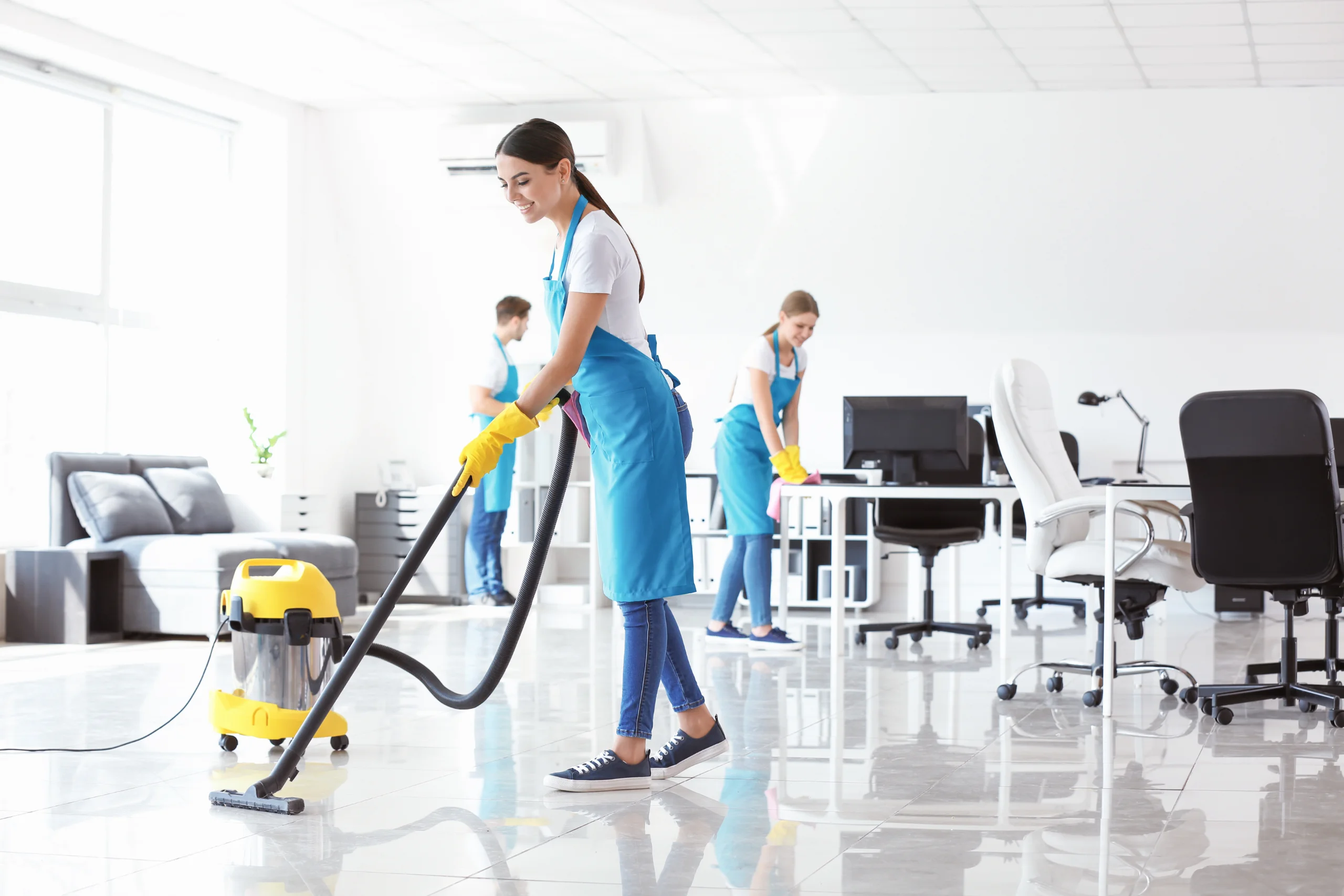
A janitorial business provides cleaning and maintenance services for commercial or institutional buildings. Services may include routine office cleaning, restroom cleaning, trash removal, vacuuming, mopping, dusting, disinfecting high-touch surfaces, replenishing supplies, floor care, window cleaning, and specialty cleaning services.
Many janitorial businesses start with basic commercial cleaning and later expand into related services such as:
- Carpet cleaning
- Floor stripping, waxing, and buffing
- Tile and grout cleaning
- Window cleaning
- Post-construction cleaning
- Move-in and move-out cleaning
- Day porter services
- Restroom sanitation
- Green cleaning
- Medical office cleaning
- School or daycare cleaning
- Apartment common-area cleaning
- Warehouse and industrial cleaning
- Parking lot sweeping or striping
- Light maintenance services
Some services, such as pest control, HVAC maintenance, biohazard cleanup, or certain medical cleaning work, may require special licensing, training, insurance, or compliance procedures. Start with services you can perform safely and professionally, then expand only when you have the equipment, skills, staff, and coverage to support the work.
Janitorial Business vs. Residential Cleaning Business
A janitorial business is different from a house cleaning or maid service, although some companies offer both.
Residential cleaning usually serves homeowners, renters, and individual households. Commercial janitorial cleaning serves businesses, property managers, institutions, and facilities. Residential work is often scheduled during the day, while janitorial work is frequently done after business hours, early in the morning, overnight, or on weekends.
Commercial clients may also require more documentation. They may ask for proof of insurance, a written proposal, references, background checks for employees, safety procedures, and a service agreement. They may also expect consistent cleaning logs, supply tracking, quality inspections, and clear procedures for locking and securing the building.
If you want a lower-barrier service business, residential cleaning may be easier to start. If you want recurring contracts and larger accounts, janitorial cleaning may offer more long-term growth potential.
Is a Janitorial Business Still a Good Business to Start?
Yes, a janitorial business can still be a good business to start, but it should be approached as a professional service business rather than a casual side job.
The U.S. Bureau of Labor Statistics’ Janitors and Building Cleaners profile shows that janitors and building cleaners work in many types of buildings, including offices, schools, and hospitals. BLS also reports that the occupation held about 2.4 million jobs in 2024 and projects about 351,300 openings each year from 2024 to 2034, largely due to the need to replace workers who leave the occupation.
That does not mean every janitorial startup will succeed. The business is competitive, and many new operators underprice their services, underestimate labor costs, or fail to manage quality. But demand for clean and healthy spaces remains steady because commercial buildings, schools, medical offices, retail spaces, warehouses, apartment complexes, and public facilities still need regular cleaning.
The opportunity is strongest for owners who can position themselves as reliable, insured, safety-conscious, and easy to work with. Many clients are not simply looking for the cheapest cleaner. They want a company that will show up, complete the work, protect the building, communicate quickly, and fix problems before they become bigger issues.

Why Businesses Hire Janitorial Services
Businesses hire janitorial services for several reasons:
First, cleaning takes time away from core operations. A law office, dental clinic, warehouse, or retail store does not want employees spending time cleaning restrooms, emptying trash, and mopping floors after hours.
Second, commercial cleaning requires consistency. Clients need the work done on schedule, whether the building is busy, staff are out, or the owner is unavailable.
Third, outsourcing can be easier than hiring in-house cleaners. Hiring employees involves payroll, supervision, scheduling, turnover, training, workers’ compensation, supplies, and management. Many businesses prefer to contract with a janitorial service instead.
Fourth, cleanliness affects trust. Customers, tenants, employees, and visitors notice dirty restrooms, overflowing trash, dusty surfaces, stained carpets, and neglected entryways. For medical offices, schools, childcare facilities, gyms, restaurants, and professional offices, cleanliness can directly affect reputation.
Finally, some clients need specialized procedures. The CDC’s guidance on when and how to clean and disinfect a facility emphasizes regular cleaning of high-touch surfaces and disinfecting when people have been ill. Commercial clients may look for cleaning companies that understand the difference between cleaning, sanitizing, and disinfecting.
Decide What Type of Janitorial Business You Want to Start
Before buying equipment or printing business cards, decide what kind of janitorial business you want to build. Your target market will affect your pricing, hours, staffing, supplies, insurance, and marketing.
Office Cleaning
Office cleaning is one of the most common entry points. Clients may include small offices, professional firms, coworking spaces, call centers, real estate offices, insurance agencies, and administrative buildings.
Typical services include vacuuming, dusting, trash removal, restroom cleaning, breakroom cleaning, mopping, disinfecting high-touch surfaces, and restocking paper products.
Medical Office Cleaning
Medical offices, dental offices, therapy clinics, and other healthcare-related spaces may offer steady work, but they also require greater attention to safety, infection control, and documentation. Do not enter this niche casually. Understand the client’s requirements and make sure your staff are properly trained.
Retail and Restaurant Cleaning
Retail stores and restaurants need clean public spaces, restrooms, floors, windows, and entryways. Restaurants may have grease, food debris, and sanitation concerns that require specific procedures and products.
School, Daycare, and Church Cleaning
Schools, childcare centers, and churches can be good accounts, but they often require background checks, careful scheduling, and a strong focus on safety. These facilities may also have high-touch surfaces, restrooms, classrooms, kitchens, nurseries, or multipurpose rooms that require consistent cleaning.
Apartment and Property Management Cleaning
Property managers may need common-area cleaning, laundry room cleaning, move-out cleaning, trash area cleanup, stairwell cleaning, lobby cleaning, and periodic deep cleaning. These accounts can lead to repeat work if you are dependable.
Warehouse and Industrial Cleaning
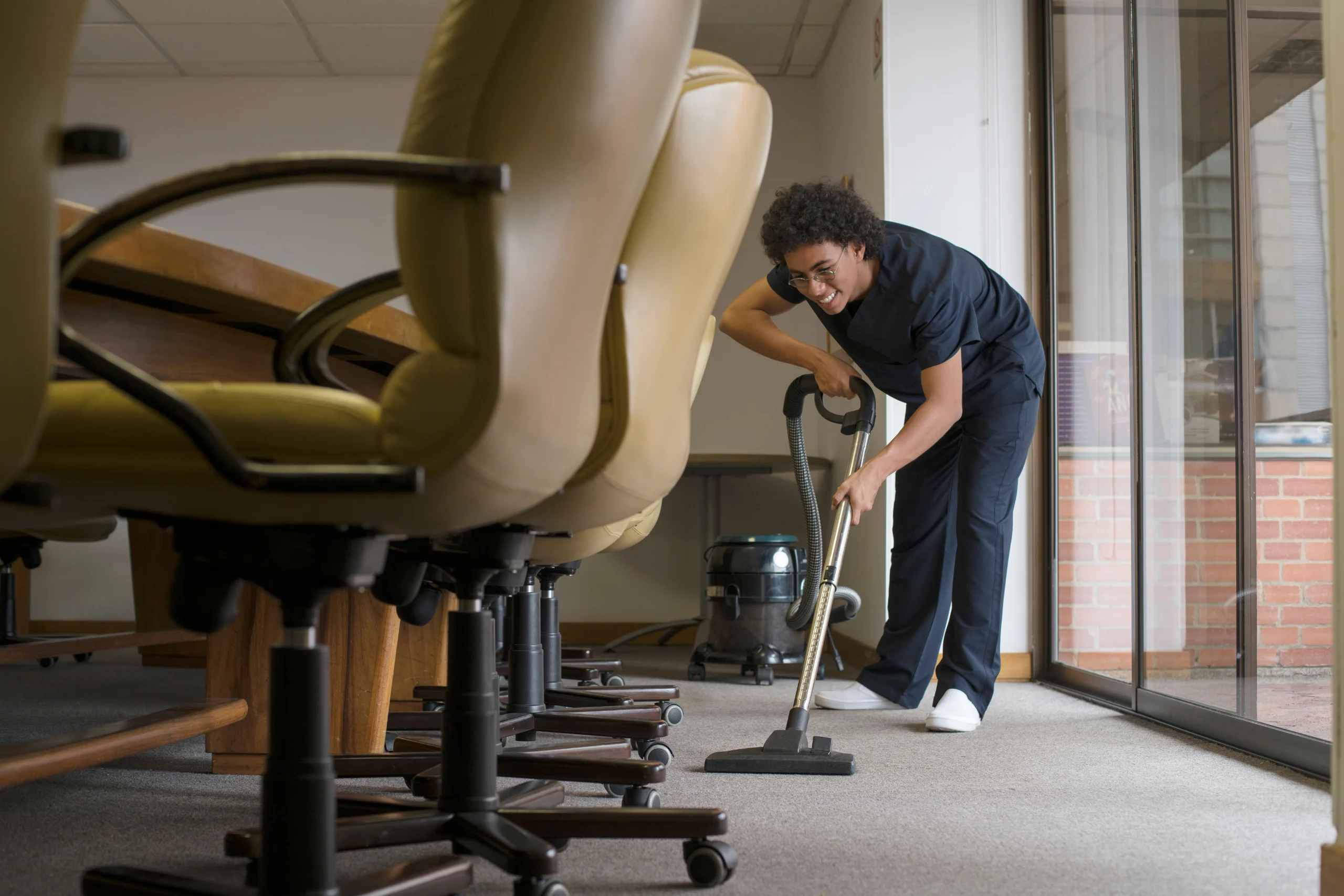
Warehouses and industrial facilities may need floor sweeping, restroom cleaning, breakroom cleaning, office cleaning, trash removal, and safety-conscious cleaning around equipment. This niche may require different tools and procedures from standard office cleaning.
Choose Your Service Menu
Your service menu should be specific enough that customers understand what they are buying. Avoid vague promises such as “we clean everything.” Instead, create clear service categories.
A beginner janitorial business may offer:
- Trash removal and liner replacement
- Dusting desks, ledges, and common surfaces
- Vacuuming carpets and rugs
- Sweeping and mopping hard floors
- Cleaning entryways and lobbies
- Cleaning restrooms
- Cleaning breakrooms and small kitchens
- Disinfecting high-touch surfaces
- Interior glass cleaning
- Restocking paper towels, toilet paper, and soap
- Spot cleaning doors, walls, and switches
- Light supply management
As your business grows, you can add specialty services such as floor care, carpet cleaning, upholstery cleaning, window cleaning, and post-construction cleaning.
For equipment planning, link readers to PowerHomeBiz’s Cleaning Business Equipment Checklist for Beginners, which covers supplies to buy before working with your first client.
You can also cross-link to StartingNewBiz’s related guide, Starting a Carpet Cleaning Home Business, for readers who may want to specialize in carpets, rugs, upholstery, and soft-surface cleaning.
Write a Simple Janitorial Business Plan
A janitorial business does not need a complicated business plan at the beginning, but you do need a practical roadmap. A simple plan helps you avoid buying the wrong equipment, targeting the wrong customers, or pricing jobs too low.
Your plan should answer:
- Who are your ideal customers?
- What geographic area will you serve?
- Will you start part-time or full-time?
- Will you work alone or hire employees?
- What services will you offer first?
- What services will you avoid for now?
- What equipment and supplies do you need?
- How much will it cost to start?
- How much working capital do you need?
- How will you price recurring accounts?
- How will you market the business?
- What insurance will you need?
- How many clients do you need to break even?
Starting small can be smart. Many janitorial businesses begin from home with a vehicle, basic supplies, and a few accounts. However, you still need enough working capital to cover supplies, transportation, insurance, payroll if you hire help, marketing, and delays in customer payments.
Cash flow is especially important in commercial cleaning. Some clients may pay monthly after services are completed. If you have employees, you may need to pay payroll before the client pays you. Do not take on large accounts unless you can cover labor and supply costs while waiting for payment.
Register the Business and Check Local Requirements
The legal requirements for a janitorial business depend on your location, business structure, services, and whether you hire employees. Start by checking your city, county, and state requirements.
The U.S. Small Business Administration has helpful guides on how to register your business and apply for licenses and permits. Requirements vary by location, so use these as starting points and then verify your local rules.
You may need to:
- Choose a business name
- Choose a legal structure
- Register the business with your state
- Register a DBA if using a trade name
- Get a local business license
- Check home-based business zoning rules
- Apply for a sales tax permit if required
- Get an employer identification number
- Set up a business bank account
- Register for payroll taxes if hiring employees
The IRS allows business owners to apply for an EIN directly through the IRS website. The IRS states that applying for an EIN is free, so avoid websites that charge unnecessary fees for this service.
Get Insurance and Bonding
Insurance is essential for a janitorial business because you will be working inside other people’s buildings, often after hours, around expensive equipment, furniture, inventory, documents, flooring, and fixtures.
Common coverage may include:
- General liability insurance
- Commercial auto insurance
- Workers’ compensation insurance if you hire employees
- Janitorial bonds or surety bonds
- Property or inland marine coverage for equipment
- Umbrella liability coverage as the business grows
Some clients may require proof of insurance before they allow you to bid. Larger commercial accounts may ask for a certificate of insurance, minimum coverage limits, and bonding.
Do not rely on personal auto insurance or homeowner’s insurance without checking with your insurer. Business activities may not be covered under personal policies.
Buy the Right Janitorial Equipment and Supplies
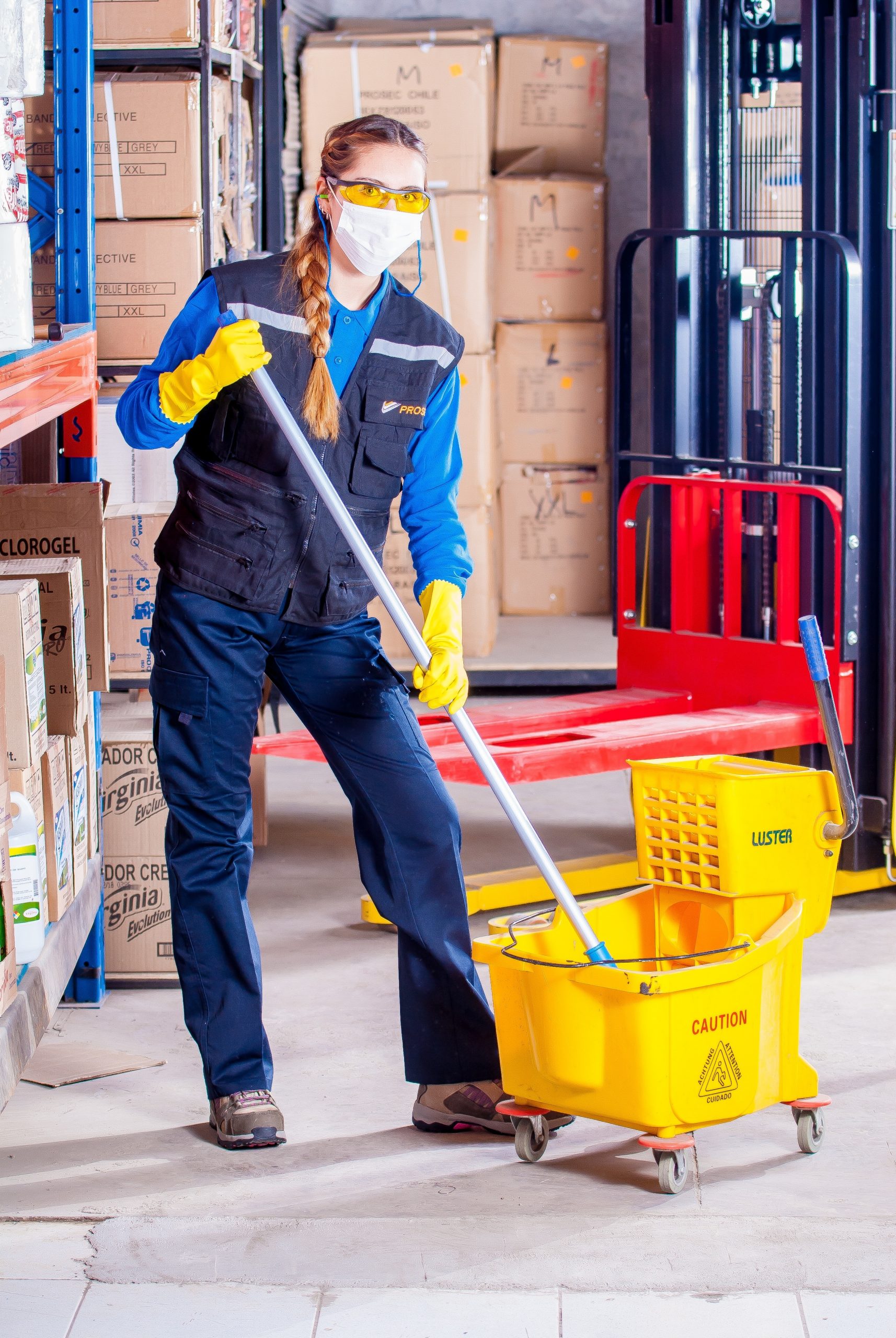
Your equipment needs will depend on your services and target clients. A small office cleaning account may require basic supplies, while floor care, carpet cleaning, industrial cleaning, or medical office cleaning may require specialized equipment.
Basic janitorial equipment and supplies may include:
- Commercial vacuum cleaner
- Mop bucket and wringer
- Wet mops and dust mops
- Brooms and dustpans
- Microfiber cloths
- Cleaning caddies
- Spray bottles
- Disinfectants and general cleaners
- Glass cleaner
- Restroom cleaners
- Degreasers
- Gloves
- Eye protection
- Trash bags
- Paper products if you supply them
- Wet floor signs
- Step stool or ladder
- Extension cords
- Floor scraper
- Utility cart
- Storage bins
- Uniform shirts or aprons
Do not buy everything at once unless you already have contracts that require it. Buy the equipment needed for your first set of services, then reinvest in better tools as revenue grows.
For a more detailed buying guide, send readers to PowerHomeBiz’s Cleaning Business Equipment Checklist for Beginners.
Choose Cleaning Products Carefully
Cleaning products are not all the same. Some chemicals can irritate skin, eyes, and lungs. Others require proper dilution, ventilation, gloves, eye protection, or specific storage procedures. Never assume that a product is safe just because it is sold in a store or labeled “green.”
OSHA’s Cleaning Industry page notes that cleaning workers may face hazards from chemicals, equipment, physical tasks, and the environment where the work is performed. NIOSH also provides guidance on protecting workers who use cleaning chemicals, including the importance of reviewing safety information and choosing safer products when possible.
If you want to offer green cleaning or safer product options, review the EPA’s Safer Choice program, which helps consumers, businesses, and purchasers identify products that perform and contain ingredients that are safer for human health and the environment.
At minimum, your business should have procedures for:
- Reading product labels
- Following dilution instructions
- Never mixing chemicals
- Using personal protective equipment
- Storing chemicals safely
- Labeling secondary containers
- Keeping Safety Data Sheets available
- Training workers before they use products
- Ventilating spaces when needed
- Handling spills safely
Strong chemical safety practices protect your workers, your clients, and your business reputation.
Learn the Basics of Cleaning, Disinfecting, and Sanitizing
Many customers use the words cleaning, sanitizing, and disinfecting interchangeably, but they are not the same. As a professional cleaner, you should understand the difference.
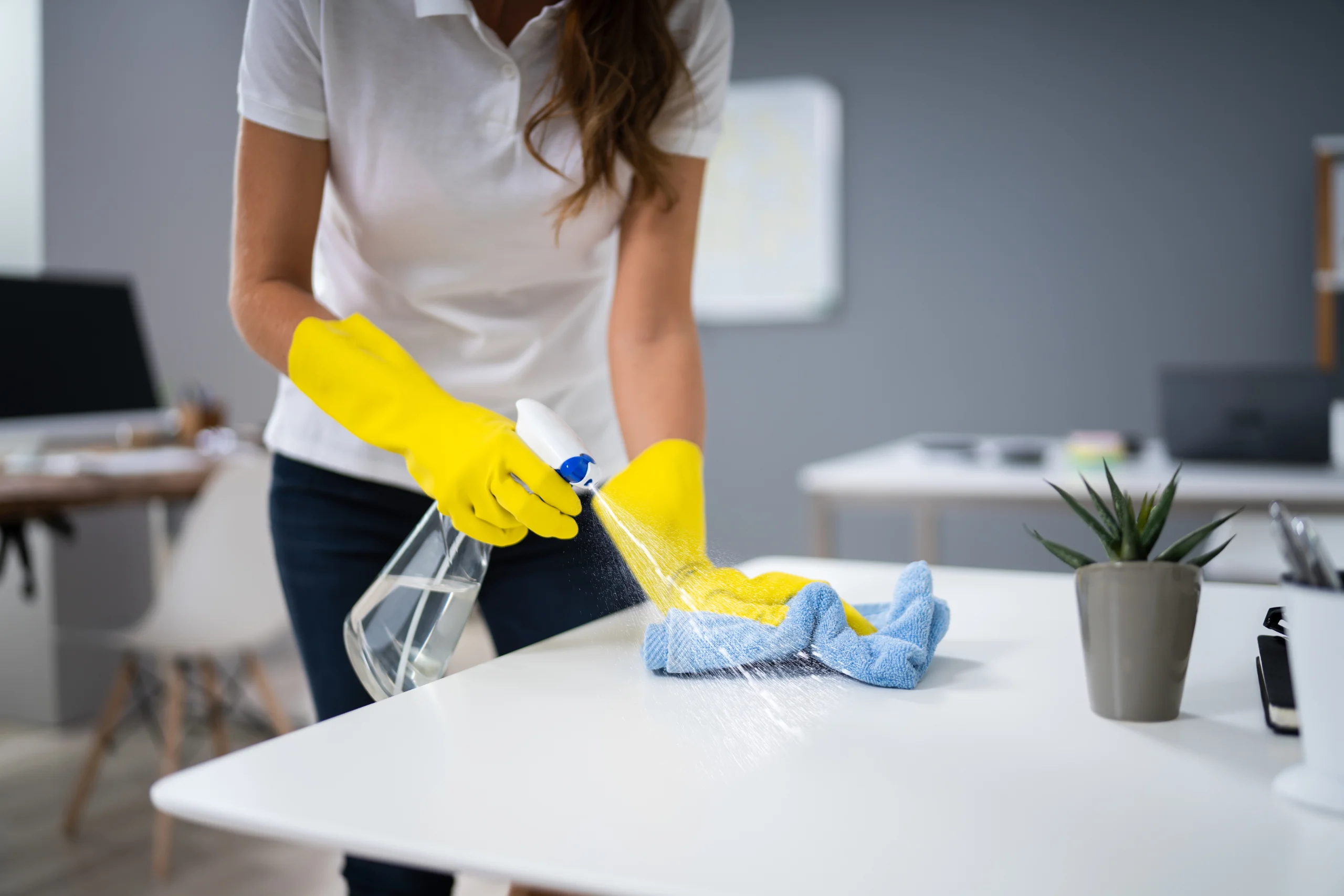
Cleaning removes dirt, dust, debris, and many germs from surfaces. Sanitizing lowers germs to safer levels according to public health standards. Disinfecting uses products designed to kill germs on surfaces when used according to the label.
The CDC’s Cleaning and Disinfecting guidance explains that cleaning alone with soap and water can remove most germs in many situations, while disinfecting is needed when someone has been sick or certain risks are present.
This distinction matters because overusing disinfectants can waste money, increase chemical exposure, and create false expectations. Your service agreements should clearly state what is included, what products are used, and what outcomes are realistic.
Set Your Prices Carefully
Pricing is one of the most important decisions in a janitorial business. Many beginners underbid because they are eager to win accounts. Low prices may help you get a client, but they can also trap you in unprofitable work.
Your prices should cover:
- Labor time
- Payroll taxes if you have employees
- Supplies
- Equipment wear and replacement
- Insurance
- Transportation
- Administrative time
- Marketing
- Supervision
- Profit
Commercial cleaning is often priced by square foot, hourly labor estimate, task list, frequency of service, and building complexity. A small office cleaned once a week may be priced differently from a medical office cleaned five nights per week.
Before quoting a job, visit the site when possible. Look at the number of restrooms, flooring types, trash volume, kitchen or breakroom areas, entryways, high-touch areas, security requirements, supply expectations, and any special instructions.
Ask questions such as:
- How often do you want cleaning?
- What time can cleaning be performed?
- Who provides supplies and paper products?
- Are there alarm codes or access procedures?
- Are there secure areas cleaners cannot enter?
- Are there previous cleaning problems?
- What does the client expect every visit?
- What tasks are weekly, monthly, or occasional?
- Are there pets, tenants, patients, children, or sensitive areas?
- What is the payment schedule?
A profitable bid should be based on actual work, not guesswork.
Create a Written Proposal and Service Agreement
A written proposal makes your business look more professional and helps avoid misunderstandings. It should outline the scope of work, frequency, price, exclusions, payment terms, supplies, access instructions, cancellation terms, and special requirements.
Your proposal may include:
- Client name and location
- Cleaning schedule
- Task list
- Areas included
- Areas excluded
- Price per visit or per month
- Additional service pricing
- Supply responsibilities
- Payment terms
- Start date
- Insurance information
- Contact person
- Quality control process
Once accepted, turn the proposal into a service agreement. For larger accounts, ask an attorney to review your contract template.
For more on winning accounts, link to PowerHomeBiz’s How to Get More Contracts for a Janitorial Service Business.
Market Your Janitorial Business
Marketing a janitorial business is about trust, reliability, and local visibility. Commercial clients need to believe that you can clean their building consistently, protect their property, and communicate professionally.
Marketing methods may include:
- A simple business website
- Google Business Profile
- Local SEO
- Local business directories
- Referral partnerships
- Networking groups
- Direct mail to offices and property managers
- Email outreach
- Cold calling
- LinkedIn outreach
- Flyers for small commercial areas
- Before-and-after photos
- Testimonials and reviews
- Case studies
- Uniforms and branded vehicles
- Partnerships with real estate agents and property managers
Your website should clearly show your service area, services offered, types of facilities served, contact information, insurance status, and request-a-quote form. Add photos of your team, equipment, and work when possible.
For a deeper marketing guide, check out How to Market and Run a Janitorial Business or Cleaning Service.
How to Get Your First Janitorial Clients
Your first clients may come from people who already know and trust you. Start with your network, but approach it professionally.
You can reach out to:
- Small office owners
- Realtors
- Property managers
- Churches
- Daycare centers
- Medical offices
- Retail stores
- Gyms and fitness studios
- Contractors who need post-construction cleanup
- Apartment managers
- Local business associations
- Friends who own or manage businesses
Offer to walk through the space and provide a written quote. Avoid offering deep discounts that make the account unprofitable. Instead, focus on professionalism, responsiveness, and clear expectations.
You can also start with one-time jobs, such as move-out cleaning, post-renovation cleaning, or deep cleaning, then convert satisfied clients into recurring accounts.
Run the Business Professionally
A janitorial business can fail even when demand exists if operations are disorganized. Clients want consistency. They do not want to explain the same problem repeatedly, wonder whether the cleaner showed up, or discover missed tasks after every visit.
Create simple systems for:
- Scheduling
- Client access and keys
- Alarm codes
- Cleaning checklists
- Supply inventory
- Employee assignments
- Quality inspections
- Customer communication
- Billing and collections
- Complaint handling
- Equipment maintenance
- Worker training
Use checklists for each account. A checklist helps ensure that recurring tasks are completed and gives employees a clear standard. It also helps you train new workers when the business grows.
Hiring Employees for a Janitorial Business
Many janitorial businesses start with the owner doing the cleaning. This keeps costs low and helps you understand the work before hiring. However, if you want to grow, you will eventually need employees or subcontractors.
Hiring brings new responsibilities. You may need payroll systems, workers’ compensation, tax withholding, training, uniforms, supervision, background checks, employee policies, and safety procedures.
Be careful when using independent contractors. Misclassifying workers can create legal and tax problems. Review federal, state, and local rules before deciding whether workers should be employees or contractors.
When hiring, look for reliability, attention to detail, honesty, physical stamina, and communication skills. Cleaning skills can often be taught, but trustworthiness and dependability are essential.
Grow Your Janitorial Business
Once you have steady clients and a reliable process, you can grow by adding accounts, expanding your service area, hiring staff, or adding specialized services.
Growth options include:
- Add more recurring office cleaning accounts
- Offer floor care services
- Add carpet and upholstery cleaning
- Serve medical offices or schools
- Build property management relationships
- Add day porter services
- Offer post-construction cleanup
- Sell restroom and paper supply restocking
- Create maintenance packages
- Hire supervisors
- Build route density in a specific geographic area
Do not grow faster than your systems can handle. A large account can hurt your business if you do not have the workers, cash flow, equipment, and supervision to service it well.
For more growth-focused tips, read our articles Expand a Janitorial Cleaning Business and How to Grow My Janitorial Service Business.
Common Janitorial Business Mistakes to Avoid
Starting a janitorial business is straightforward, but running one profitably requires discipline. Avoid these common mistakes.
Underpricing the Work
Low bids may win contracts, but they can destroy profitability. Price based on labor, supplies, travel, overhead, insurance, and profit.
Skipping Insurance
Clients may ask for proof of insurance, and accidents can happen. Do not clean commercial spaces without proper coverage.
Buying Too Much Equipment Too Soon
Start with the equipment needed for your first services. Add specialty machines only when you have enough demand.
Offering Too Many Services Before You Are Ready
It is better to do a few services well than to offer everything and deliver poor results.
Ignoring Safety
Chemical exposure, slips, lifting injuries, equipment accidents, and after-hours building access all create risk. Train yourself and your workers.
Failing to Use Checklists
A written checklist reduces missed tasks and makes service more consistent.
Not Managing Cash Flow
Commercial clients may pay slowly. Make sure you can cover payroll, supplies, fuel, and insurance while waiting for payment.
Hiring Too Quickly Without Systems
Employees need training, supervision, clear expectations, and accountability.
Not Asking for Reviews and Referrals
Satisfied clients can help you grow, but you need to ask for testimonials, reviews, and introductions.
Competing Only on Price
A race to the bottom attracts price-sensitive clients and leaves little room for profit. Compete on reliability, professionalism, communication, safety, and quality.
Is a Janitorial Business Right for You?
A janitorial business may be right for you if you are dependable, detail-oriented, physically capable, and comfortable working when other businesses are closed. You also need to be good with people, because clients hire janitorial companies based on trust.
This business may be a good fit if you:
- Want a service business with recurring revenue potential
- Are willing to work evenings, nights, or weekends
- Can manage details and checklists
- Are comfortable with physical work
- Can communicate professionally
- Are willing to learn safety procedures
- Can handle customer complaints calmly
- Want to build local business relationships
It may not be a good fit if you dislike physical labor, do not want to work outside normal business hours, or are unwilling to manage employees as the business grows.
Final Thoughts
Starting a janitorial business or commercial cleaning service can be a realistic path to entrepreneurship. You can begin from home, start with a small number of accounts, keep startup costs controlled, and expand as you build experience and cash flow.
The key is to treat it as a professional business from day one. Choose your niche, register properly, get insurance, buy appropriate equipment, learn cleaning and safety procedures, price jobs correctly, use written proposals, and market consistently.
Clients are not just buying clean floors and empty trash cans. They are buying reliability, trust, and peace of mind. If you can deliver those consistently, your janitorial business can grow from a simple cleaning service into a valuable long-term commercial service company.
FAQ
Is a janitorial business profitable?
A janitorial business can be profitable if you price jobs correctly, control labor and supply costs, retain recurring clients, and avoid underbidding contracts. Profit depends on your market, services, account size, labor costs, insurance, equipment, and ability to manage quality.
How much does it cost to start a janitorial business?
Startup costs vary. A small home-based janitorial business may begin with basic cleaning equipment, supplies, insurance, business registration, transportation, and marketing materials. Costs rise if you buy floor machines, carpet cleaning equipment, hire employees, or target larger commercial accounts.
Can I start a janitorial business from home?
Yes. Many janitorial businesses start from home. You can manage scheduling, billing, and customer communication from a home office while storing supplies in a garage, basement, or storage unit. Check local zoning rules, business licensing requirements, and insurance coverage before starting.
Do I need a license to start a janitorial business?
Licensing requirements depend on your city, county, and state. You may need a general business license, local registration, sales tax permit, or special permits for certain services. Always check with your local government before accepting paid work.
Do janitorial businesses need insurance?
Yes. Insurance is strongly recommended because you will be working inside client buildings, often after hours. Common coverage may include general liability, commercial auto, workers’ compensation if you hire employees, equipment coverage, and bonding.
What services should a beginner janitorial business offer?
A beginner can start with office cleaning, restroom cleaning, trash removal, vacuuming, mopping, dusting, breakroom cleaning, high-touch surface cleaning, and basic supply restocking. Add specialty services such as floor care, carpet cleaning, or window cleaning only after you have the right training and equipment.
How do I price janitorial cleaning jobs?
Price jobs based on the size of the space, cleaning frequency, number of restrooms, flooring types, labor time, supplies, travel, insurance, equipment, overhead, and profit. Walk through the building before quoting whenever possible.
How do I get janitorial contracts?
You can get contracts through referrals, local networking, Google Business Profile, a simple website, direct outreach, property manager relationships, real estate contacts, local SEO, and written proposals. Focus on reliability, professionalism, proof of insurance, and clear service expectations.
Should I start with residential cleaning or commercial janitorial cleaning?
Residential cleaning may be easier for beginners, while commercial janitorial cleaning can offer recurring contracts and larger accounts. The best choice depends on your schedule, skills, startup budget, service area, and willingness to work after hours.
What are the biggest mistakes in starting a janitorial business?
Common mistakes include underpricing, skipping insurance, buying too much equipment too soon, offering services without proper training, failing to use checklists, ignoring safety procedures, hiring too quickly, and not managing cash flow.

This has been great advice, thank you so much for sharing! I’m so excited about learning more about janitorial service and ways I can start or go about staring my own cleaning business. IT all seems exciting, thanks for sharing!
janitorial franchise Cleaning Systems owner can take advantage of the support and training offered by the regional office, and their ability to secure quality commercial cleaning customers. The Janitorial Franchise owner can get started with a relatively low initial investment, and manage risk by controlling the timing of their business to a full-time operation.
Your advice is really helpful because it is the most important need of every human being on earth and for earth itself if your surroundings are clean then it will benefit you to remain healthy and keep our environment healthy.
Appreciate the recommendation. Will try it out.
My partner and I absolutely love your blog and find almost all of your post’s to be precisely what I’m looking for. Do you offer guest writers to write content in your case? I wouldn’t mind creating a post or elaborating on a lot of the subjects you write about here. Again, awesome site!
Have you ever considered about including a little bit more than just your articles? I mean, what you say is valuable and everything. But think of if you added some great images or video clips to give your posts more, “pop”! Your content is excellent but with pics and clips, this blog could certainly be one of the best in its niche.
Excellent blog!
Excellent blog you’ve got here.. It’s difficult to find good quality writing like yours these days. I honestly appreciate individuals like you! Take care!!
I think there’s some great information here. The cleaning business is a great home based opportunity. I have been in it since 1988 and love helping others get started. Would you consider recommending my site? mycleaningbiz.com
Great article. I am going through many of these issues as well..
Thanks for every other informative site. Where else may I get that kind of info written in such a perfect manner? I have an undertaking that I’m just now running on, and I have been at the glance out for such information.
Only a smiling visitor here to share the love (:, btw great design. “Make the most of your regrets… . To regret deeply is to live afresh.” by Henry David Thoreau.
Fantastic post.Never knew this, thanks for letting me know.
I personally believe that people who are planning to start a janitorial business must invest in the best type of supplies since this will be needed. It’s also a good thing that you shared here the importance of observing the current market first before making any final decisions. It’s a great thing that you opened up that they must know their limits too.