

The frozen food business is booming—and if you’re considering jumping into this industry, now may be the perfect time. From busy professionals looking for quick, healthy meals to families stocking up for convenience, the demand for frozen food is at an all-time high.
To successfully jumpstart a frozen food company, meticulous planning and execution are necessary to maintain items that are continually enticing and new. You must keep up with changing market trends and consumer demands to be competitive. Your long-term achievement depends on your ability to modify your offerings and tactics. Growing your frozen food company requires a diversified strategy.
Table of Contents
What is the Frozen Food Business?
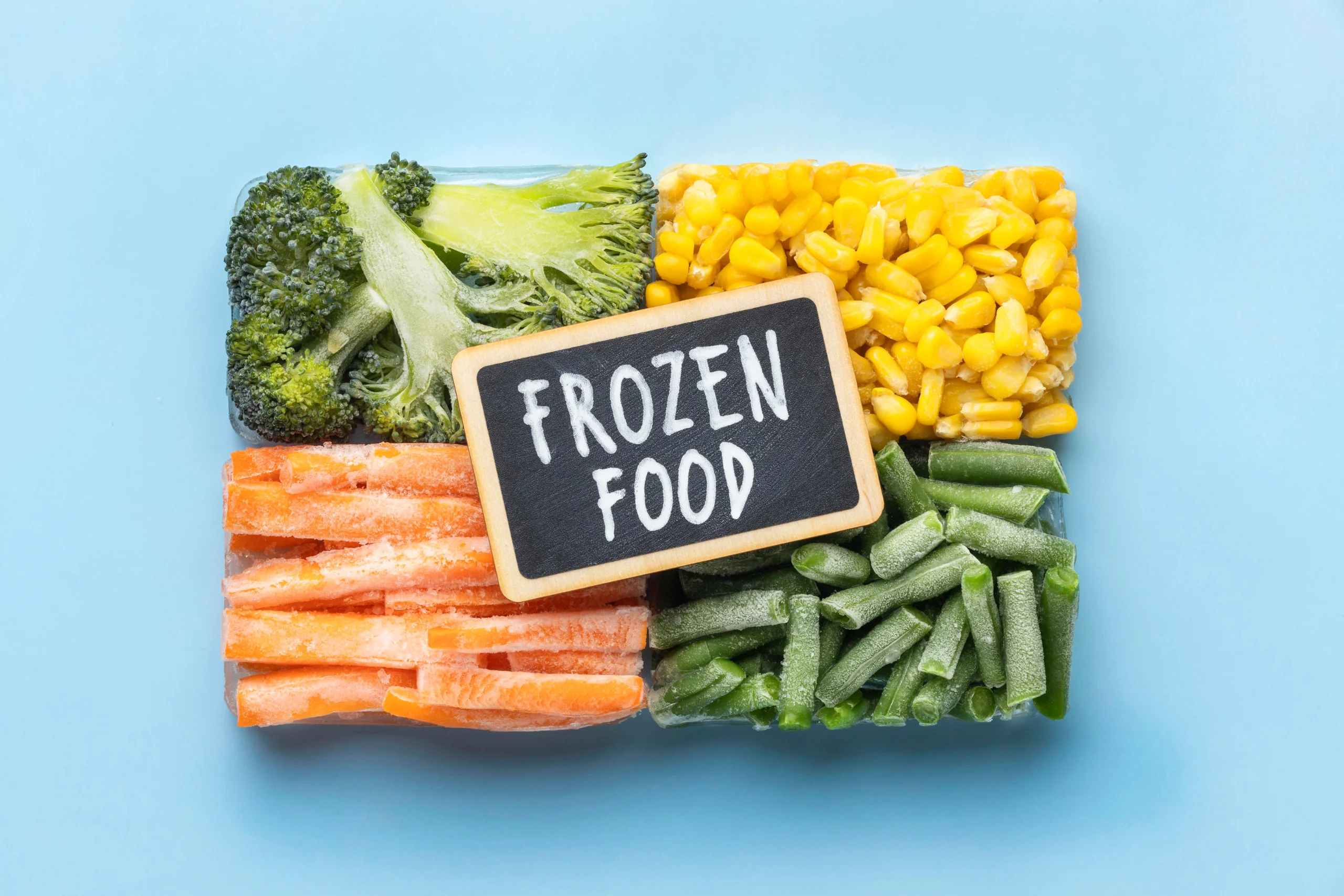
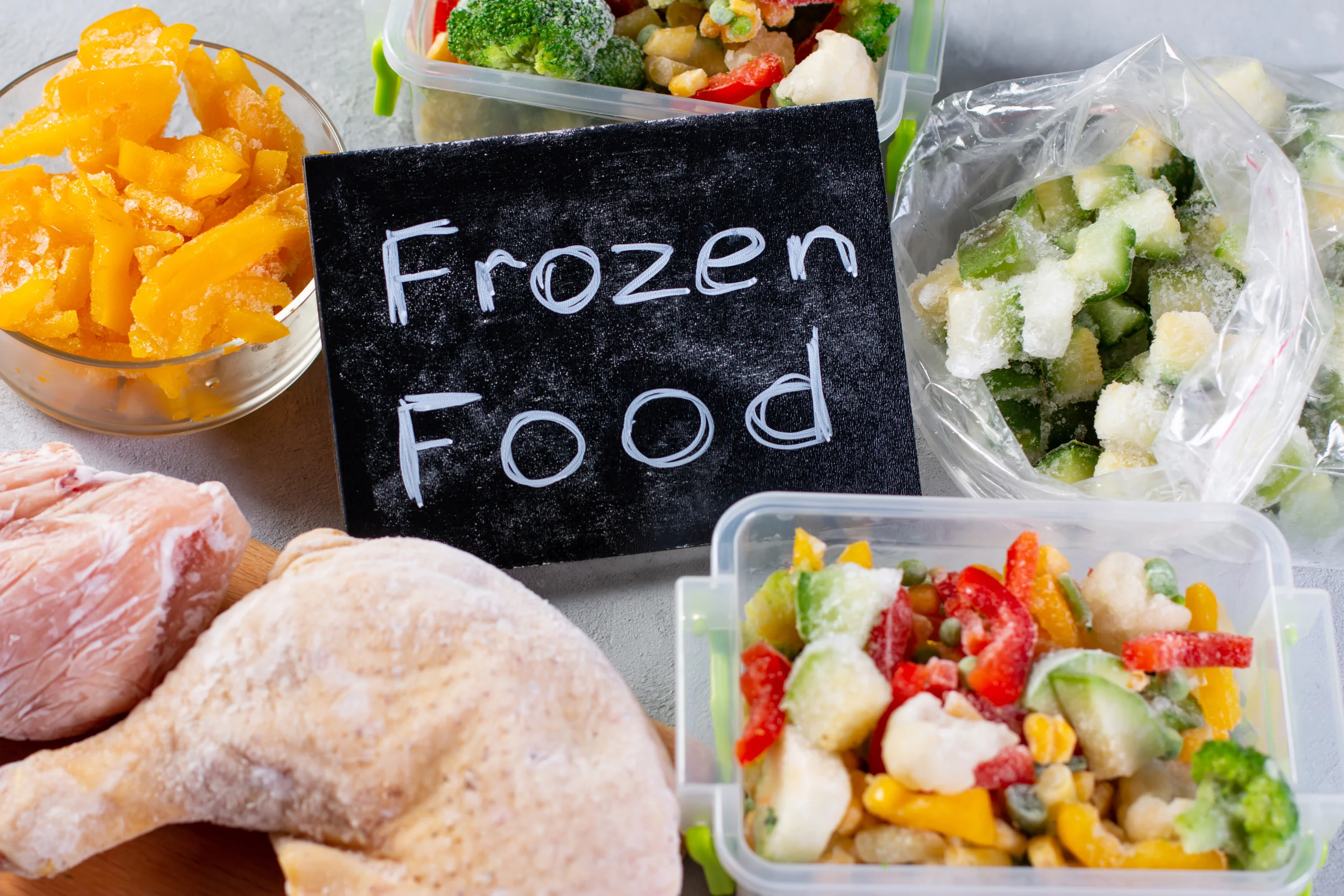
A frozen food company produces, packages, and delivers frozen food items to customers through grocery shops, convenience stores, internet retailers, and other retail outlets. These businesses provide a variety of frozen, already-cooked meals, snacks, and components with longer shelf lives.
Businesses that sell frozen food meet the increasing need for quick and simple-to-prepare meal options. They provide clients with convenient and delicious alternatives that can be frozen for later use. The market for frozen food is predicted to grow to $366.3 billion globally by 2028, primarily due to changing eating patterns and hectic lives.
Why Frozen Food?
According to a 2024 report by Grand View Research, the global frozen food market was valued at over $265 billion in 2023 and is expected to grow at a compound annual growth rate (CAGR) of 5.2% through 2030. Factors fueling this growth include:
- Increasing demand for ready-to-eat meals
- Rising number of dual-income households
- Longer shelf life of frozen products
- Growth in e-commerce grocery delivery
In short, consumers are prioritizing convenience—and frozen foods are delivering.
Success Stories: Proof It Works
If you need inspiration, look no further than some of today’s most successful frozen food brands:
- Amy’s Kitchen, a family-owned organic frozen food company, started in a home kitchen in 1987. Today, it generates over $500 million in annual revenue, offering everything from frozen burritos to gluten-free pizzas.
- Caulipower, launched in 2017 by Gail Becker, used a single innovation—cauliflower pizza crust—to disrupt the market. In just three years, it reached $100 million in sales and became the fastest-growing frozen pizza brand in the U.S.
- Daily Harvest, although subscription-based, focuses on frozen, plant-based meals and smoothies. With funding of over $100 million, it proves there’s demand for healthier, premium frozen food options.
These brands succeeded by tapping into niche markets and building loyal customer bases. You can too.
Step 1: Choose Your Niche and Product Line
Start by identifying a niche. Are you offering ready-to-cook meals? Smoothies? Desserts? Organic or keto options? Successful frozen food brands often start by targeting specific market segments:
- Convenience Seekers: Red’s, known for its frozen burritos, emphasizes clean ingredients and has become a staple in the frozen food aisle.
- Health-Conscious Consumers: Brands like Amy’s Kitchen have capitalized on the demand for organic and vegetarian options, growing from a home-based operation to a multi-million dollar business .
- Ethnic and Global Flavors: Saffron Road offers halal-certified frozen meals inspired by global cuisines, now sold in 25,000 retail locations across the U.S.
Hot Product Categories:
- Frozen ethnic foods (e.g., Indian, Korean BBQ, Middle Eastern)
- Plant-based and vegan options
- Single-serve meals for professionals
- High-protein or fitness-oriented meals
- Gluten-free or allergen-friendly foods
| Category | Why It’s Hot |
| Plant-Based/Vegan Meals | Health + sustainability demand |
| Ethnic Cuisine | Flavor variety + at-home restaurant experience |
| Breakfast Foods | Fast-paced mornings + protein needs |
| Better-for-You Desserts | Indulgence with low sugar, keto, or dairy-free appeal |
| Smoothie & Bowl Kits | No-prep nutrition + lifestyle wellness |
| Frozen Seafood & Proteins | Easy lean meals + seafood sustainability perceptions |
| Complete Frozen Dinners | Meal planning convenience for families and busy professionals |
Tip: Start small with 3-5 items. Focus on quality, flavor, and uniqueness before expanding.
Step 2: Conduct Market Research
Before diving into uncharted territory, it’s critical to understand the frozen foods market as much as possible. Understand your target market and competitors. Use tools like:
- Google Trends
- NielsenIQ or Statista
- Surveys and online focus groups
- Local store visits and pricing analysis
Ask yourself:
- What’s missing in the frozen aisle?
- What are people complaining about in online reviews?
- Can I offer something better, faster, or more affordable?
Learn from Industry Leaders
Studying successful brands provides valuable insights:
- Conagra Brands: Achieved a 150% increase in frozen food category sales at a key drug retailer by adapting to consumer demand and optimizing product assortment.
- Scott & Jon’s: Co-founders Scott and Jon Demers transitioned from traditional careers to build a national brand of premium frozen seafood meals, emphasizing quality and convenience.
Step 3: Understand the Legal and Safety Requirements
Ensure compliance with food safety regulations and invest in quality control measures to maintain product integrity. Food businesses are heavily regulated. You’ll need to comply with:
- FDA and USDA requirements
- Local and state food licenses
- Food safety certifications (like HACCP)
- Proper labeling (including nutritional information and allergens)
Consider working with a food safety consultant or lawyer to avoid costly mistakes.
Step 4: Decide on Production: In-House vs. Co-Packing
Starting with small-scale production allows for recipe refinement and market testing. As demand grows, consider scaling up:
- In-House Production: Maintain control over quality and processes. In-house production gives you full control but requires investment in commercial kitchen space, staff, equipment, and logistics.
- Co-Packers: Partnering with established manufacturers can expedite scaling while minimizing capital investment. Co-packers (contract manufacturers) allow you to scale faster without upfront capital. Many successful brands (including Caulipower) started with co-packers before building their own facilities.
Use directories like PartnerSlate or Co-PackerHub to find a match.
Step 5: Perfect Your Packaging
Packaging must:
- Keep your food fresh and protected
- Be freezer-safe and tamper-proof
- Showcase your brand clearly
- Be eco-conscious, if possible
According to Trivium Packaging, 74% of consumers are willing to pay more for sustainable packaging—so going green could be a competitive edge.
Step 6: Nail Down Distribution
Distribution is critical for frozen products due to their perishable nature. You can start local, but plan for scalability. The small-scale frozen food industry is divided into the following categories based on distribution channels:
Distribution Channels:
- Local farmers markets or food co-ops
- Independent grocers or specialty stores
- Direct-to-consumer (DTC) via your own website or Shopify
- Food delivery apps (like GoPuff or Thrive Market)
- National grocery chains (once you have traction)
- Foodservice: Supply to restaurants, schools, and institutions.
Tip: Use DTC sales early on to build brand awareness, gather reviews, and fine-tune your offerings before pitching retailers.
Brands like Cook Trading have successfully expanded through a combination of company-owned shops, franchises, and wholesale partnerships, now operating over 100 shops in the UK.
Step 7: Market Like a Pro
Marketing makes or breaks a frozen food brand. Focus on building community and trust.
Effective marketing differentiates your brand in a crowded market:
- Brand Storytelling: Share your mission and values to connect with consumers.
- Digital Presence: Utilize social media, influencer partnerships, and content marketing.
- Promotions and Sampling: Encourage trial through discounts and in-store tastings.
For instance, CAULIPOWER’s founder, Gail Becker, leveraged her personal story to build a brand that reached $100 million in revenue within three years.
Strategies That Work:
- Sampling events or partnerships with gyms and wellness studios
- TikTok or Instagram Reels showing meal prep using your products
- Collaborations with micro-influencers and dietitians
- Email newsletters with recipes and behind-the-scenes stories
Also, invest in SEO and local search if you’re selling regionally. People are actively Googling “best frozen [product] near me.”
Step 8: Scale with Data and Feedback
Track:
- Repeat purchases
- Customer reviews
- Product returns or complaints
- Inventory levels and production costs
Use this data to tweak recipes, improve packaging, and expand your product line. Tools like Shopify Analytics, Google Analytics, and QuickBooks can help streamline the process.
Final Words:
The frozen food business is no longer about bland TV dinners. It’s about innovation, wellness, and solving mealtime challenges for today’s busy consumers. With the right idea, execution, and persistence, you could build the next Amy’s or Caulipower.
Are you ready to start?
FAQ on Starting a Frozen Food Business
Here are some of the common questions asked on how to start a frozen food business:
What are the key steps to start a frozen food business?
To start a frozen food business, conduct market research, create a business plan, and secure necessary permits. Invest in quality packaging and reliable freezing equipment. Establish partnerships with distributors and marketing strategies to reach your target customers. A strong focus on food safety and compliance with health regulations is essential for long-term success.
How important is branding for a frozen food startup?
Branding is critical for differentiating your frozen food startup in a competitive market. A strong brand includes an appealing logo, packaging design, and a unique value proposition. Consumers tend to favor brands they recognize and trust, so consistent branding across online and offline channels can increase customer loyalty and drive repeat purchases.
What licenses and permits do I need to operate a frozen food business?
To operate legally, you’ll need food handling permits, business licenses, and possibly USDA or FDA approval, depending on your product. Local health departments may also require inspections of your facility. Requirements vary by region, so it’s important to consult your local government and regulatory agencies to ensure compliance.
How can I ensure the quality and safety of frozen food products?
Ensure quality by sourcing fresh ingredients, maintaining proper storage temperatures, and using safe food preparation methods. Regularly inspect your freezing equipment and follow food safety regulations. Implementing a HACCP (Hazard Analysis and Critical Control Points) plan helps identify potential hazards and establishes control measures to avoid contamination.
What are the best ways to market a frozen food business?
Leverage digital marketing channels like social media, influencer partnerships, and online ads to increase brand visibility. Offer free samples at local stores or community events to build a customer base. Collaborate with grocery stores and subscription box services. Having an engaging website with e-commerce options can also boost sales and brand recognition.
